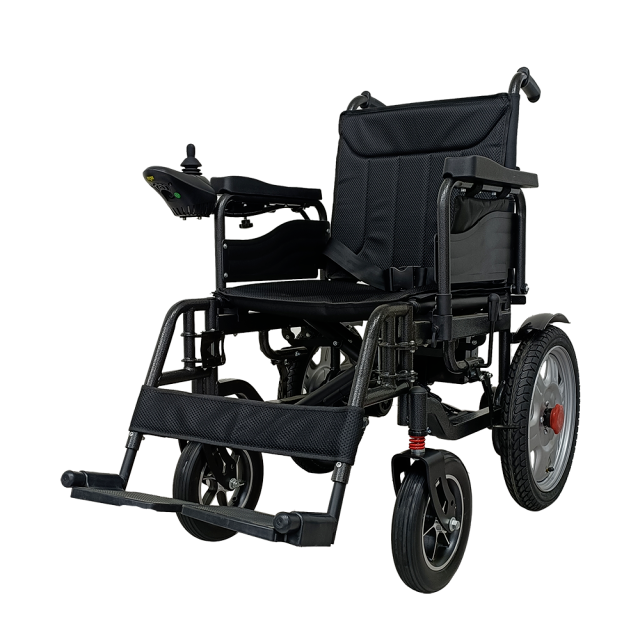
Folding Electric Wheelchairs for Travel: Ultimate Buying and Usage Guide Introduction
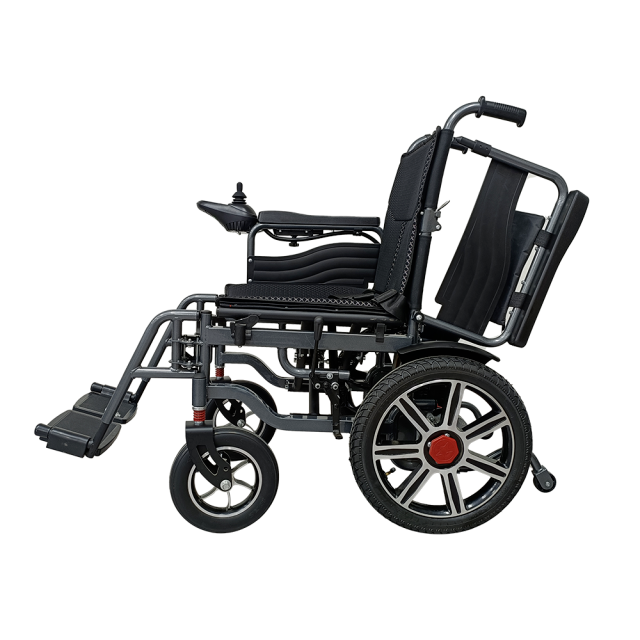
Mobility limitations should not prevent people from traveling, visiting family, going on vacation, or commuting via public transport. Folding electric wheelchairs solve the portability problem by collapsing into a compact package that fits in car trunks, train luggage racks, and even airplane cargo holds. Over the past few years, advances in lithium battery technology and lightweight frame materials have made folding power chairs far lighter, more reliable, and more affordable. This guide covers everything travelers need to know about folding electric wheelchairs, from key specifications to airline policies and travel tips.
1. How Folding Electric Wheelchairs Work
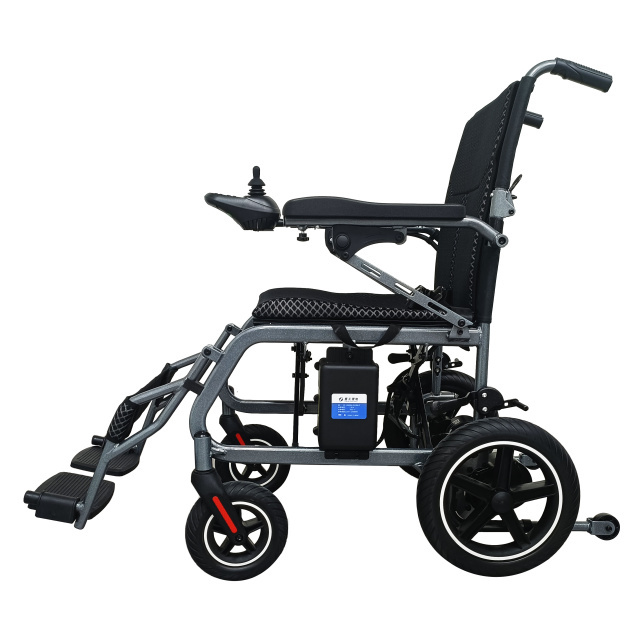
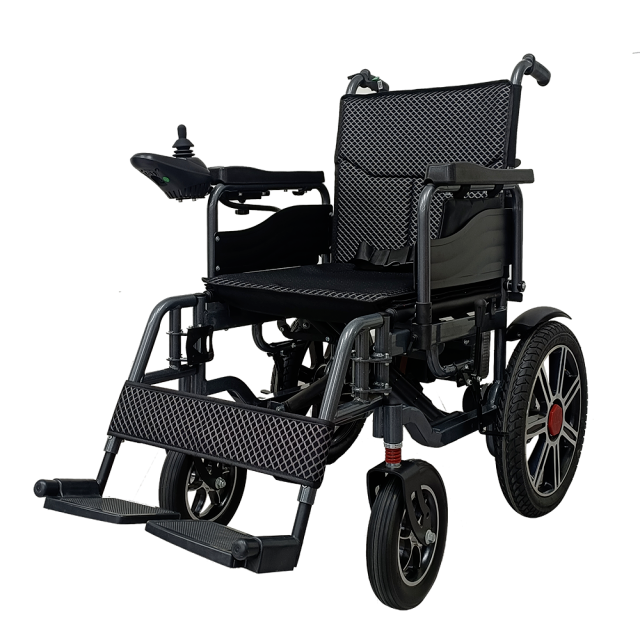
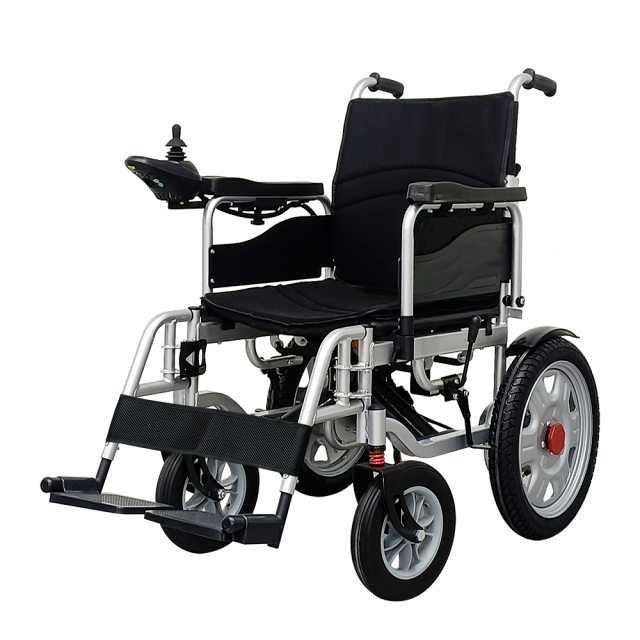
Most folding electric wheelchairs use an aluminum or carbon fiber frame with a hinge mechanism at the center. The user or caregiver releases a latch and pushes the two sides together, collapsing the chair into a narrow, upright package in 5–10 seconds. Higher-end models may also feature detachable batteries, fold-down backrests, and quick-release footrests to further reduce folded size.
When unfolded, they function just like standard electric wheelchairs, with joystick control, motorized propulsion, and braking systems. The tradeoff for portability is slightly lower weight capacity, shorter range, and less suspension compared to rigid-frame chairs.
2. Key Specifications for Travel-Friendly Models
When selecting a folding electric wheelchair for travel, focus on these metrics:
- Folded dimensions: The most compact models fold to under 60 cm × 40 cm × 70 cm, small enough to fit in most sedan trunks. Always measure your vehicle’s trunk space before buying.
- Total weight: Lightweight models weigh 20–25 kg including battery. Ultra-light carbon fiber versions can be under 18 kg. Heavier models (30+ kg) may require two people to lift.
- Battery type: Lithium-ion batteries are universal in travel wheelchairs because they are light and energy-dense. Most models use 24V 10Ah–20Ah batteries, delivering 15–30 km range.
- Weight capacity: Standard folding chairs support 100–120 kg. Heavy-duty folding models can accommodate up to 150 kg but are heavier and bulkier when folded.
- Airline approval: Batteries must meet IATA dangerous goods regulations. Most 24V lithium batteries under 300Wh are allowed as checked baggage, but policies vary by airline.
3. Types of Travel Scenarios and Suitable Models
Different travel situations call for different folding wheelchair features:
- Car travel for day trips: Basic folding models with 15–20 km range work well. Quick folding time and manageable weight are priorities.
- Air travel and long vacations: Choose the lightest possible model with a removable battery. Verify that the battery capacity complies with airline rules. A travel bag or carrying case protects the chair during transit.
- Public transport commuting: Compact folding size and light weight allow the user to board buses, trains, and subways independently. Look for models that can stand upright when folded for easy storage in aisles.
- Cruise ship travel: Folding wheelchairs take up less cabin space. Ensure the model has sufficient range for shore excursions and can handle ship ramps and walkways.
4. Airline Policies and Travel Preparation
Air travel is one of the most common reasons people buy folding electric wheelchairs, but it requires careful preparation:
- Battery regulations: Most airlines allow lithium-ion batteries under 300Wh in checked baggage. Batteries between 100Wh and 160Wh usually require airline approval. Always carry the battery specifications document.
- Gate checking: Many airlines allow passengers to use their wheelchair up to the boarding gate, then have staff stow it in the cargo hold. Request this service when booking.
- Damage protection: Use a padded travel cover to protect the frame and controls. Remove loose accessories such as cup holders and carry them in hand luggage.
- Advance notification: Inform the airline at least 48 hours before departure that you will be traveling with an electric wheelchair. Confirm airport assistance services.
5. Durability and Reliability Considerations
Folding mechanisms introduce additional moving parts that can wear out, so build quality matters.
- Frame material: Aircraft-grade 6061 aluminum offers the best balance of strength and weight. Avoid cheap steel frames that are heavy and prone to rust.
- Hinge quality: Look for reinforced hinge points with stainless steel pins. Poor-quality hinges can develop play and wobble over time.
- Motor and controller: Reputable brands use brushless motors and branded controllers (such as PG Drives or Dynamic Controls) that last longer and have better availability of spare parts worldwide.
6. Travel Maintenance and Care Tips
- Keep a small toolkit and spare tire inner tube with you on longer trips
- Wipe down the chair after travel to remove dust and airport grime
- Charge batteries fully before departure and after arrival
- Inspect folding hinges and bolts monthly for tightness
- Store in a dry place when not in use for extended periods
Conclusion
Folding electric wheelchairs have transformed travel for people with mobility impairments, turning once-difficult journeys into manageable, even enjoyable experiences. By choosing a model with the right weight, folded size, battery capacity, and build quality, users can regain the freedom to visit loved ones, explore new places, and maintain an active lifestyle. With proper preparation and knowledge of transport policies, travel with an electric wheelchair can be smooth and hassle-free.