Electric Wheelchairs for Indoor Home Use: Practical Comfort and Maneuverability Guide
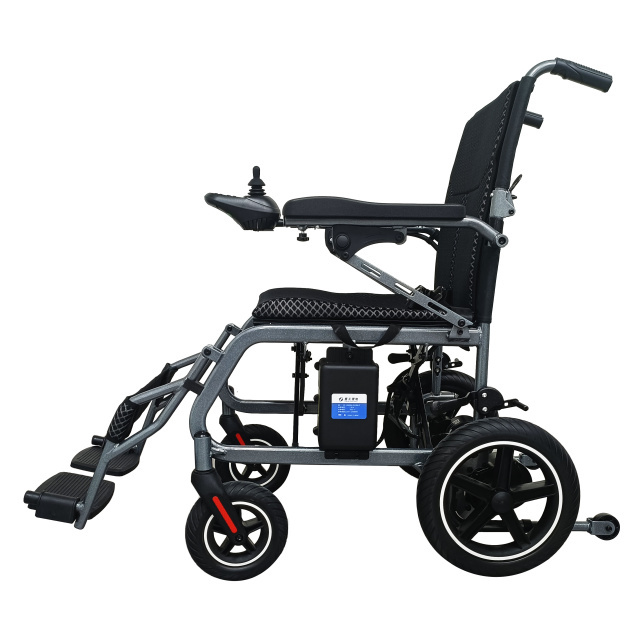
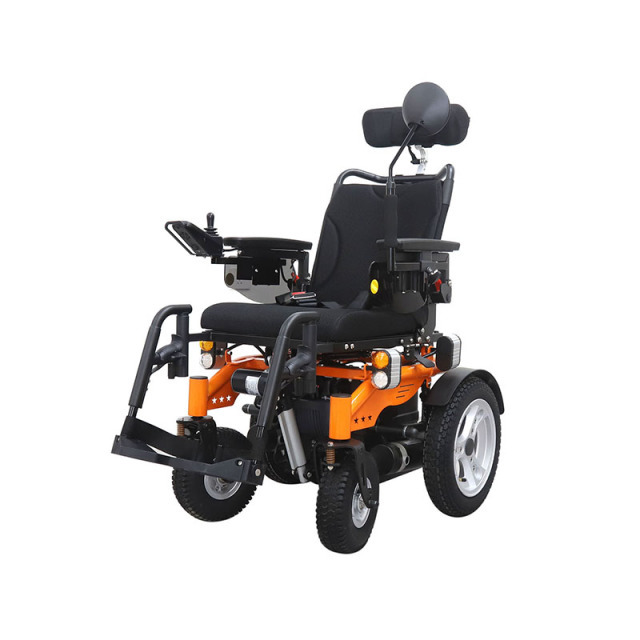
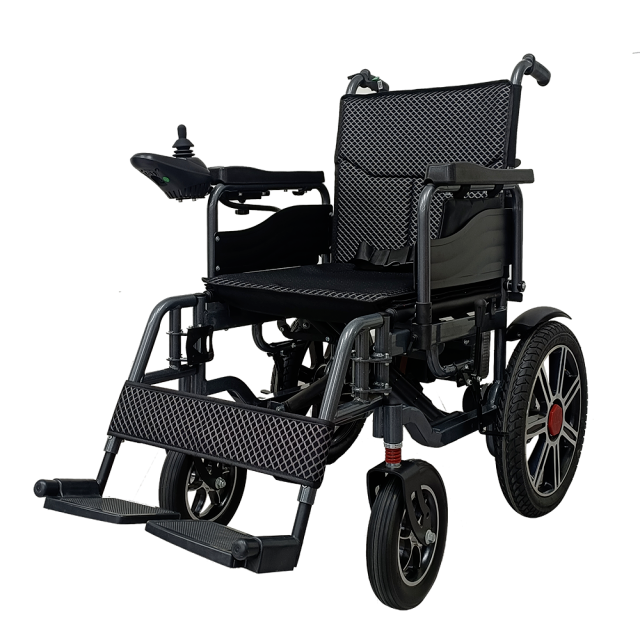
For many seniors and people with mobility disabilities, the home is where they spend the majority of their day. An electric wheelchair that works poorly indoors—scuffing walls, getting stuck in doorways, or being difficult to maneuver around furniture—can actually reduce independence rather than improve it. Indoor electric wheelchairs are specifically engineered for tight spaces, smooth operation, and everyday household tasks. This guide explains the key design features that make a power wheelchair suitable for home use, how to measure your living space, and which features improve daily quality of life.
1. Compact Design and Turning Radius
The most critical specification for indoor use is the turning radius. A wheelchair with a small turning radius can spin in place, navigate around furniture, and enter bathrooms and closets without difficulty.
- Zero-turn radius: Mid-wheel drive electric wheelchairs typically offer the tightest turning circles, often under 50 cm. They pivot around the center, making them ideal for narrow hallways and small apartments.
- Front-wheel drive: Offers good maneuverability and smooth forward movement, with a slightly larger turning radius.
- Rear-wheel drive: Provides better stability but the widest turning circle, making it less ideal for very compact homes.
Before purchasing, measure the narrowest doorways, hallways, and furniture gaps in your home. The wheelchair’s total width should be at least 5 cm narrower than the narrowest doorway to pass through comfortably without scraping.
2. Size and Weight Considerations for Home Use
Indoor electric wheelchairs are generally lighter and more compact than outdoor models. Most weigh between 20 and 35 kg, making them easier to move manually if needed and less likely to damage flooring.
- Overall width: Standard indoor models are 55–65 cm wide. Extra-narrow models (under 55 cm) are available for very tight spaces.
- Overall length: Shorter chairs turn more easily. Look for total length under 100 cm for best indoor agility.
- Floor protection: Solid, non-marking tires prevent scuffs on hardwood, tile, and laminate floors. Avoid aggressive tread patterns designed for outdoor use, as they can track dirt and scratch indoor surfaces.
3. Seat Comfort and Ergonomics for Extended Sitting
Users who spend most of their day at home sit in their wheelchair for 6–10 hours daily, so comfort and ergonomic support are essential for preventing pain, fatigue, and pressure injuries.
- Seat cushioning: High-density foam cushions with memory foam top layers provide pressure relief. For users at high risk of pressure sores, gel cushions or air-cell cushions are recommended.
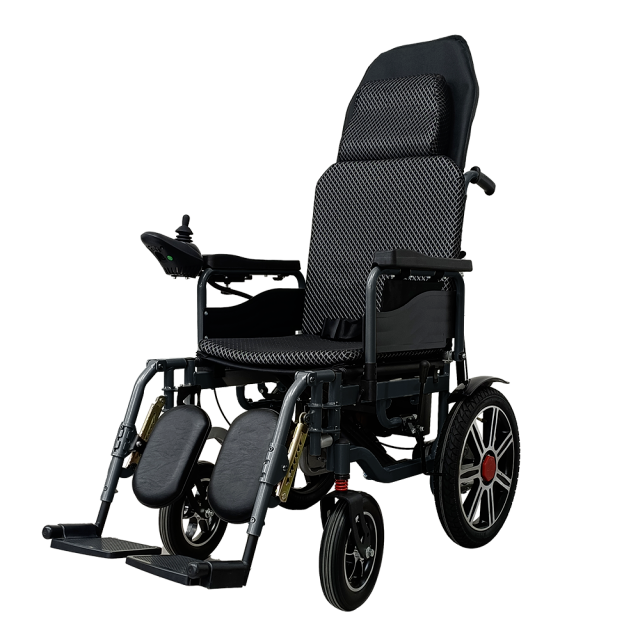
- Backrest support: Adjustable backrests with lumbar support promote proper spinal posture. Some models offer recline or tilt-in-space functions that allow users to shift weight and rest comfortably.
- Armrests: Flip-up or removable armrests make it easier to transfer between the wheelchair and bed, sofa, or toilet. Height-adjustable armrests accommodate different table heights for eating, working, and hobbies.
- Footrests: Swing-away or elevating footrests improve comfort and make transfers safer.
4. Controller Ease of Use
Indoor use requires precise, responsive control to avoid bumping into furniture and walls.
- Joystick sensitivity: Adjustable speed and sensitivity settings let users choose slower, more precise control for tight spaces and faster speed for open areas.
- Controller position: Mounted on either the left or right armrest, and adjustable for angle and reach. Some models can be switched from side to side for users with one-sided weakness.
- Intuitive controls: Simple buttons for power, speed mode, and horn. Avoid overly complex interfaces that may confuse elderly users or those with cognitive impairments.
5. Safety for Home Environments
Indoor safety focuses on collision prevention, stability, and fire safety.
- Low center of gravity: Prevents tipping when reaching for items on shelves or counters.
- Smooth acceleration and braking: Jerky starts and stops increase fall risk and can knock over household items. Look for progressive acceleration and electromagnetic braking.
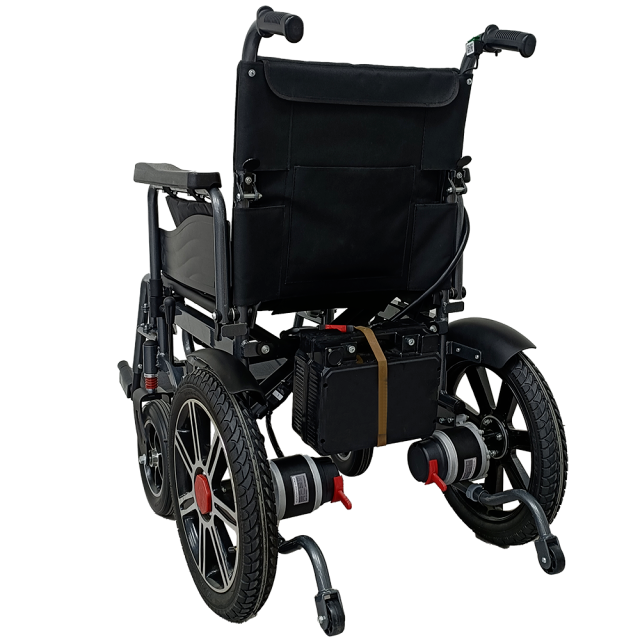
- Battery safety: Quality lithium-ion batteries with built-in protection circuits prevent overcharging and overheating. Always charge in a well-ventilated area away from flammable materials.
- Anti-entrapment: Well-designed footrests and undercarriage reduce the risk of catching on rugs, carpets, and door thresholds.
6. Adapting Your Home for an Electric Wheelchair
Even the best indoor wheelchair works better with minor home modifications:
- Remove loose rugs and tripping hazards
- Widen doorways if necessary, or install offset hinges
- Rearrange furniture to create clear 90 cm wide pathways
- Install grab bars in bathrooms and near beds
- Ensure thresholds are under 2 cm high, or add threshold ramps
Conclusion
An indoor electric wheelchair is a daily companion that should feel like a natural extension of the home environment. Prioritizing compact dimensions, tight turning radius, ergonomic comfort, and intuitive controls ensures the chair supports independence rather than creating new obstacles. When matched with a properly adapted living space, an indoor power wheelchair enables users to cook, clean, socialize, and carry out daily activities with confidence and dignity.