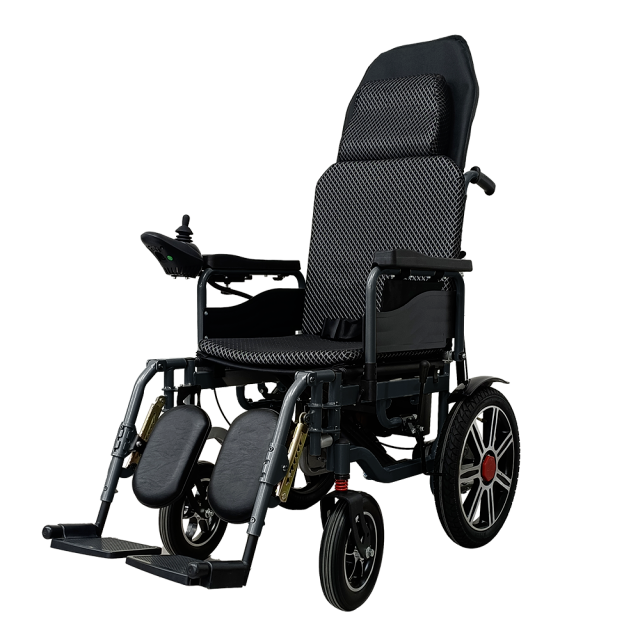
Electric Wheelchairs for Outdoor Use: Complete Performance and Selection Guide
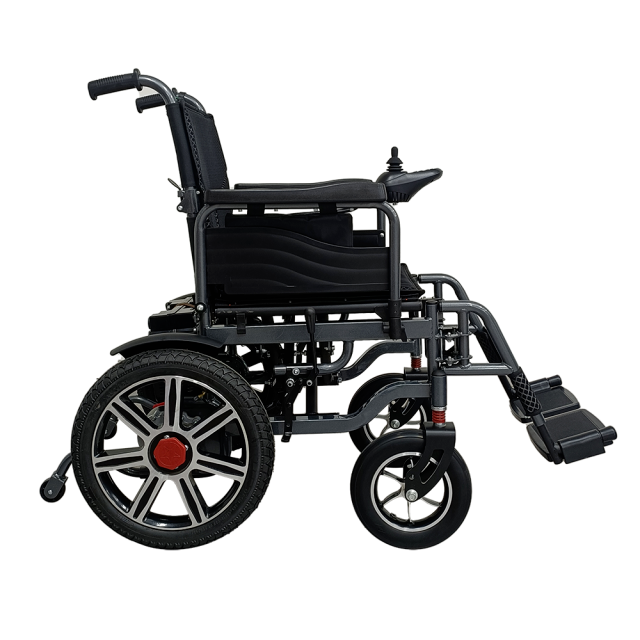
For many mobility-impaired individuals, getting outside to enjoy nature, run errands, or visit friends is one of the most important benefits of an electric wheelchair. However, not all power chairs are built to handle outdoor conditions. Sidewalk cracks, gravel paths, grassy parks, mild slopes, and uneven pavement can turn a simple outing into a frustrating or even dangerous experience with an unsuitable model. This comprehensive guide explains what makes an electric wheelchair suitable for outdoor use, which features matter most, and how to select a model that delivers reliable performance across different outdoor environments.
1. Core Features That Define Outdoor Electric Wheelchairs
Outdoor-capable electric wheelchairs differ from indoor models in several key design aspects:
- Motor power: Outdoor models typically use 250W–500W dual brushless motors that deliver enough torque to climb 8–15 degree slopes and carry users over uneven ground. Underpowered motors will struggle on inclines and wear out faster with regular outdoor use.
- Ground clearance: A minimum of 5–8 cm of ground clearance prevents the undercarriage from scraping on curbs, roots, and uneven pavement. Heavy-duty all-terrain models offer 10+ cm clearance.
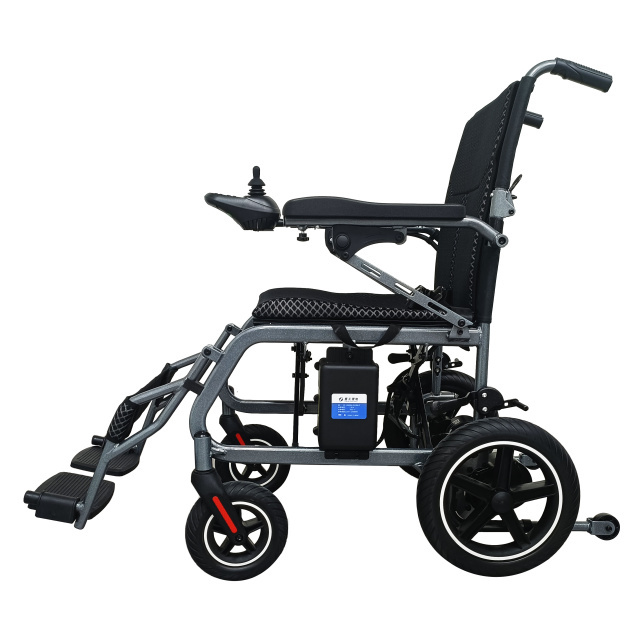
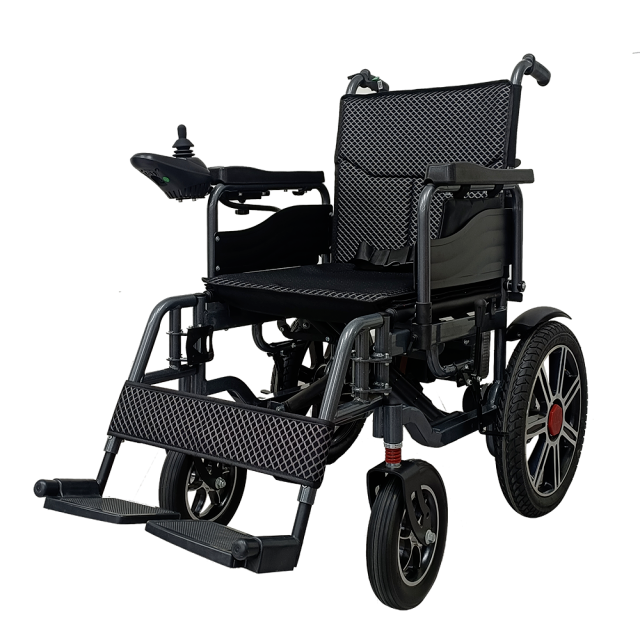
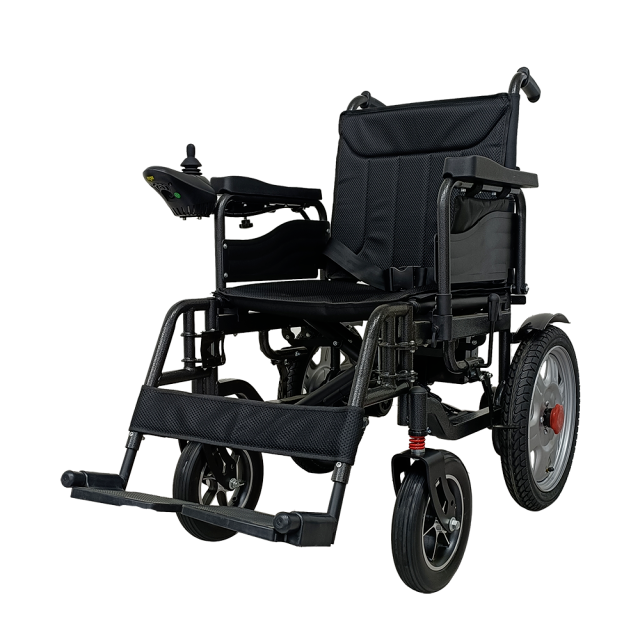
- Tire type: Pneumatic (air-filled) tires absorb shocks and provide better traction on rough surfaces. Solid tires are puncture-proof but offer a bumpier ride and less grip on wet or loose ground. Larger wheel diameter (12–16 inch rear wheels) improves obstacle climbing ability.
- Suspension system: Spring or hydraulic suspension at the front and rear wheels smooths out bumps and reduces vibration transferred to the user. This is especially important for users with back pain, joint issues, or pressure sore risk.
2. Performance on Different Outdoor Surfaces
Understanding how wheelchairs perform on common surfaces helps set realistic expectations and guide selection:
- Paved sidewalks and roads: Almost any mid-range electric wheelchair handles smooth pavement well. Look for stable handling at maximum speed (usually 6–8 km/h) and responsive braking.
- Gravel and dirt paths: Require larger tires, good traction, and sufficient ground clearance. Models with 14-inch+ rear wheels and treaded tires perform best here.
- Grass and lawns: Wide tires and strong motors prevent sinking into soft ground. Avoid narrow, solid-tire indoor models, as they can get stuck easily.
- Sand and beaches: Only specialized all-terrain electric wheelchairs with wide, low-pressure tires and four-wheel drive can traverse sand safely. Standard power chairs will get stuck and may suffer motor damage.
- Slopes and ramps: Check the maximum climb angle specification. Most outdoor models handle 8–12 degree slopes, which covers most curb ramps and pedestrian paths. Steeper hills require higher-torque motors.
3. Battery Range for Outdoor Activities
Outdoor use consumes more battery power than indoor travel due to terrain resistance, wind, and speed. A model rated for 25 km on flat ground may only deliver 15–18 km in real outdoor conditions with hills and uneven surfaces. For full-day outings, shopping trips, or travel, choose a model with at least 30 km rated range. Lithium-ion batteries are preferred for outdoor use because they are lighter and maintain consistent power output until fully discharged, unlike lead-acid batteries which weaken as they drain. Removable batteries allow users to carry a spare for extended trips.
4. Safety Equipment for Outdoor Operation
Outdoor travel introduces additional safety risks that indoor-only chairs do not need to address:
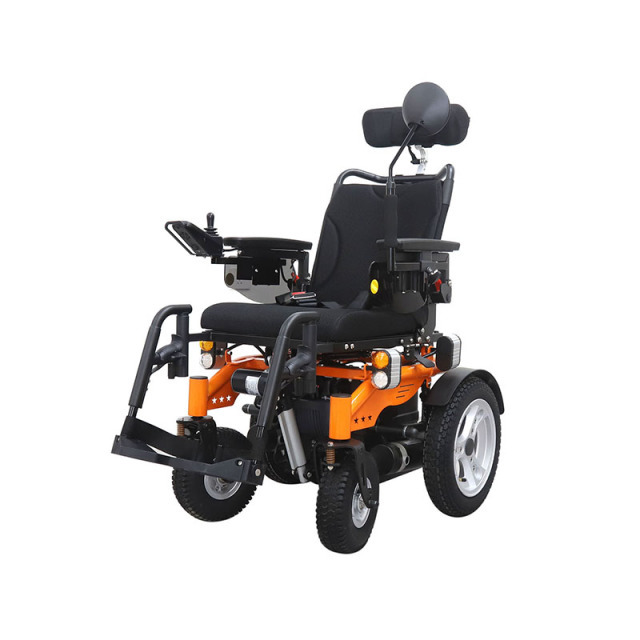
- Lighting system: Headlights, taillights, and reflectors are essential for visibility at dusk and night. Some models include turn signals and brake lights for road crossing safety.
- Stability features: Wider wheelbase and anti-tip wheels prevent tipping on uneven ground and slopes.
- Weather resistance: Look for IPX4 or higher water resistance rating so the chair can be used in light rain without damaging electrical components.
- Seatbelt and posture support: Bumpy terrain increases the risk of sliding or falling. A secure seatbelt and adjustable backrest keep the user stable.
5. Top Outdoor Electric Wheelchair Categories by Use Case
- Everyday urban outdoor: Compact yet capable models with 25–30 km range, 8 degree climb capacity, and moderate ground clearance. Perfect for city sidewalks, shopping malls, and park paths.
- Long-range touring: Extended battery life (40+ km), comfortable padded seating, and full suspension. Designed for day trips, sightseeing, and regular long-distance travel.
- All-terrain adventure: Four-wheel drive, large knobby tires, high ground clearance, and reinforced frame. Suitable for rural users, outdoor enthusiasts, and those living in areas with unpaved roads.
6. Maintenance Tips for Outdoor Electric Wheelchairs
Regular outdoor use means more exposure to dirt, water, and wear. Follow these maintenance practices:
- Wipe down the frame and wheels after use on dirty or wet surfaces
- Check tire pressure weekly for pneumatic tires
- Inspect brakes and controller connections monthly
- Keep battery terminals clean and dry
- Store indoors in a dry location to prevent rust and electrical damage
Conclusion
A high-quality outdoor electric wheelchair unlocks freedom beyond the walls of home. By prioritizing motor power, tire design, suspension, battery range, and safety features, users can select a model that handles their typical outdoor environments reliably. Whether navigating city sidewalks or exploring nature trails, the right outdoor power chair turns mobility limitations into opportunities for active, engaged living.