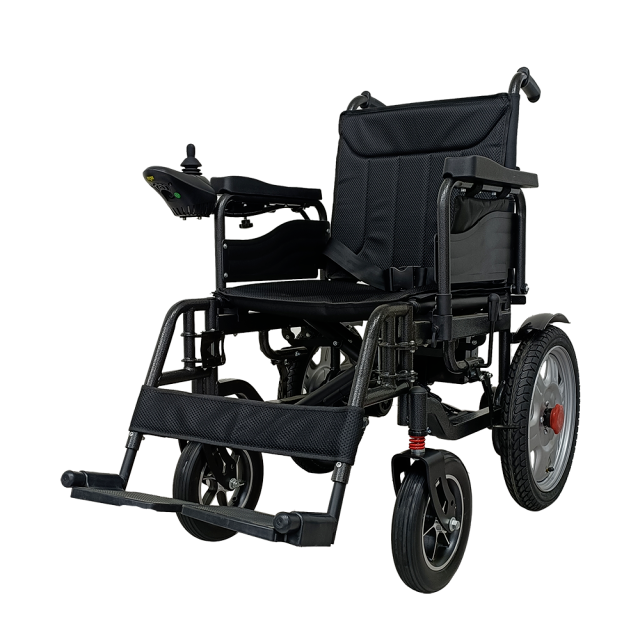
How to Choose the Right Electric Wheelchair for Your Daily Needs
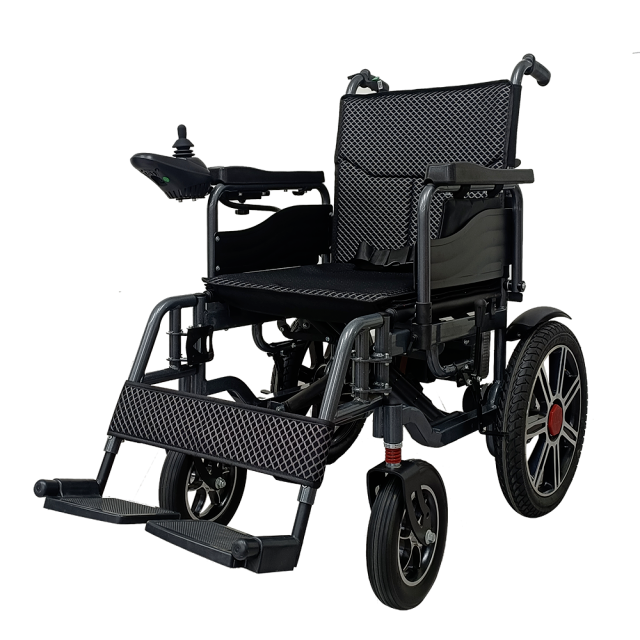
An electric wheelchair is more than a mobility device—it is a gateway to independence, comfort, and participation in daily life. For users with limited mobility, selecting the wrong model can lead to discomfort, safety risks, and wasted investment. With hundreds of models available on the market, ranging from lightweight folding units to heavy-duty power chairs, making an informed decision requires understanding key specifications, user requirements, and environmental factors. This guide breaks down every critical factor to consider when purchasing an electric wheelchair, helping buyers match their lifestyle, physical condition, and budget with the most suitable product.
1. Assess User Physical Condition and Mobility Requirements
Before comparing product features, start with a clear assessment of the user’s physical capabilities and medical needs. Users with full upper-body control may operate a standard joystick controller, while those with limited hand function may require alternative controls such as chin controls, head arrays, or sip-and-puff systems. Weight capacity is another non-negotiable factor: standard electric wheelchairs typically support 100–150 kg, while bariatric models can handle 200 kg or more. Seat width, depth, and height must align with the user’s body dimensions to prevent pressure sores and ensure proper posture. For users with specific medical conditions such as spinal cord injury, cerebral palsy, or post-stroke hemiplegia, consult a physical therapist or occupational therapist for personalized recommendations on seat cushioning, back support, and positioning accessories.
2. Classify Electric Wheelchair Types by Usage Scenario
Electric wheelchairs fall into three primary categories, each designed for distinct environments:
- Indoor electric wheelchairs: Feature a compact chassis, tight turning radius, and smooth maneuverability. They work best in apartments, nursing homes, and offices with narrow doorways and hallways. Most have smaller wheels and lower ground clearance, making them unsuitable for uneven outdoor terrain.
- Outdoor electric wheelchairs: Built with larger pneumatic tires, higher ground clearance, and stronger suspension systems. They handle sidewalks, gravel paths, grass, and mild slopes comfortably. These models usually have longer battery range and more robust frame construction.
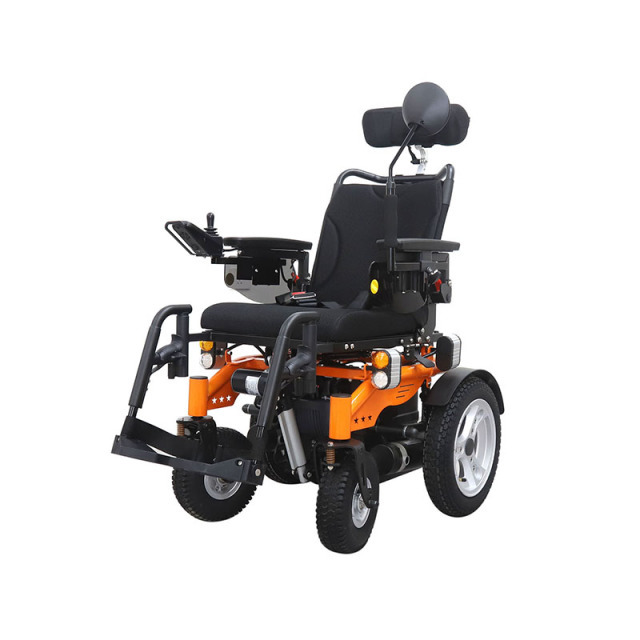
- All-terrain electric wheelchairs: Engineered for rugged outdoor use, including dirt roads, sand, and steep inclines. They feature four-wheel drive, heavy-duty motors, and reinforced frames, but are heavier and less agile indoors.
Many users need a balance of indoor and outdoor performance, so mid-range models with moderate ground clearance and foldable frames are among the most popular choices.
3. Battery Performance and Range Considerations
Battery life directly determines how far a user can travel on a single charge, which is critical for work, errands, and social activities. Most electric wheelchairs use lead-acid batteries or lithium-ion batteries. Lead-acid batteries are affordable and reliable but heavier and have shorter lifespans (1–2 years). Lithium-ion batteries are lighter, charge faster, and last 3–5 years, but come at a higher upfront cost.
Typical range varies from 15 km for basic models to 40+ km for high-end units. When evaluating range, consider real-world conditions: user weight, terrain, slope, speed, and accessory usage (lights, USB chargers) all reduce actual mileage. For daily commuting or frequent outings, prioritize models with at least 25 km range and removable batteries for convenient charging.
4. Frame Design: Foldable vs. Rigid
Frame construction affects portability, durability, and ride quality.
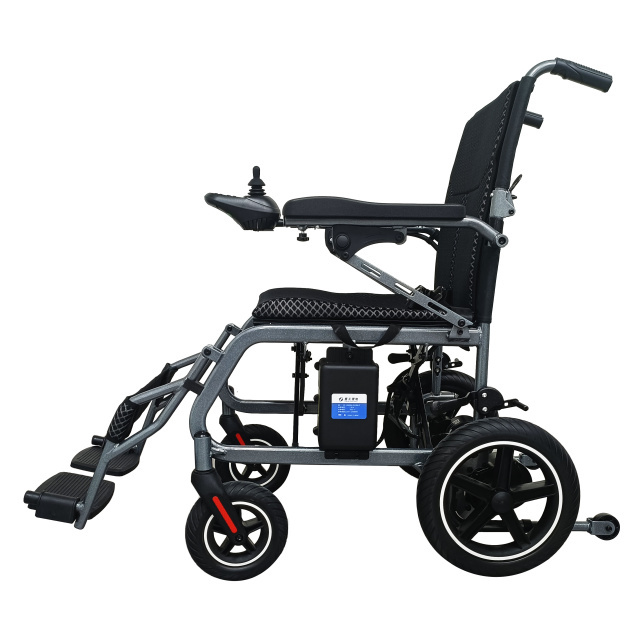
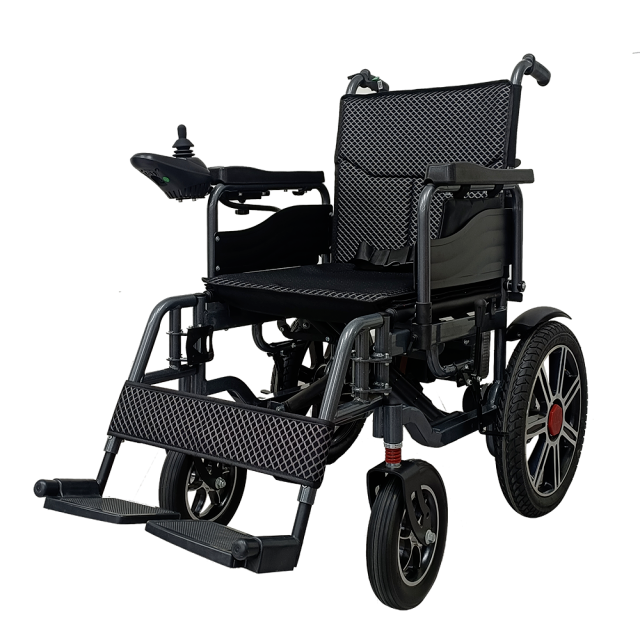
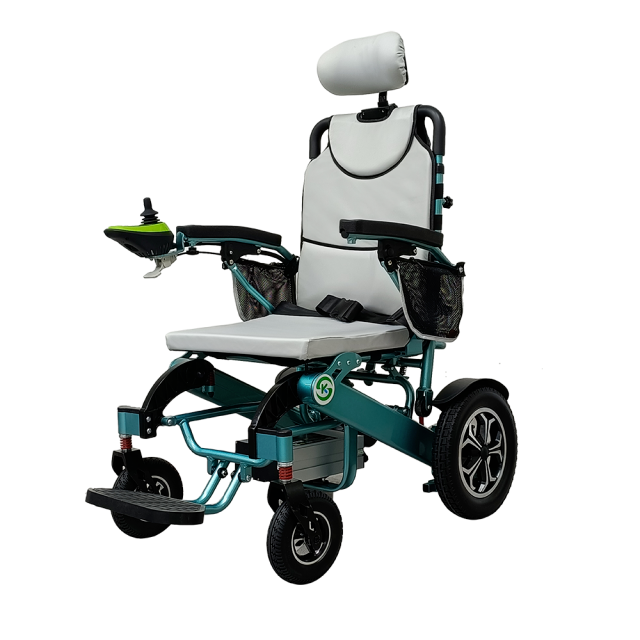
- Foldable electric wheelchairs: Can be collapsed into a compact size for car trunk transport. They are ideal for users who travel frequently, visit family, or use taxis and public transport. Most folding models weigh 20–30 kg and can be lifted by one or two people.
- Rigid frame electric wheelchairs: Offer better stability, weight distribution, and durability. They absorb vibration more effectively and require less maintenance. These are recommended for full-time users who spend 8+ hours daily in the chair and prioritize long-term comfort over portability.
For occasional transport needs, some rigid models feature quick-release wheels and detachable components that reduce weight for loading.
5. Safety Features and Certification Standards
Safety should never be compromised when selecting an electric wheelchair. Look for these essential features:
- Electromagnetic braking system that engages automatically when the joystick is released
- Anti-tip wheels at the rear to prevent backward tipping on slopes
- Seat belt and chest harness options
- Bright LED headlights, taillights, and turn signals for outdoor night use
- Anti-slip footrests with adjustable height
Certifications also indicate quality and compliance. Reputable manufacturers hold ISO 13485 medical device quality certification, CE marking for the European market, and FDA clearance for the US market. Products tested to these standards meet strict requirements for electrical safety, structural strength, and electromagnetic compatibility.
6. After-Sales Service and Warranty
An electric wheelchair is a long-term investment, so after-sales support matters greatly. Check the warranty period: reputable brands offer at least 1–2 years for the frame, 1 year for motors and controllers, and 6–12 months for batteries. Local service centers or authorized dealers ensure faster repairs and replacement parts availability. For international buyers, verify whether the supplier provides spare parts shipping, online technical support, and multilingual manuals.
Conclusion
Choosing the right electric wheelchair requires balancing physical needs, usage environment, budget, and long-term support. Start with a professional assessment, define primary usage scenarios, then compare battery performance, frame type, safety features, and after-sales service. Taking the time to research and test drive different models ensures the final purchase delivers lasting comfort, safety, and independence for the user.