How Electric Wheelchairs Reduce Caregiver Burden and Improve Quality of Life for Care Teams
Caregiving for a mobility-impaired family member involves constant physical effort, emotional strain, and logistical planning. Manual wheelchairs require caregivers to push, lift, and maneuver the chair and occupant throughout the day, leading to chronic musculoskeletal injuries, burnout, and reduced quality of life for everyone involved. Electric wheelchairs shift much of the physical work from caregiver to machine, reducing injury risk, freeing time, and restoring independence for both user and caregiver.
Physical Strain Reduction: The Most Immediate Benefit
Manual wheelchair propulsion places enormous physical stress on caregivers. Pushing a 150 to 250 pound person plus chair weight requires significant leg and upper body strength, particularly when navigating ramps, curbs, thresholds, and uneven ground. Over months and years, this repetitive effort causes shoulder injuries, back pain, wrist strain, and knee problems that can become permanent.
Electric wheelchairs eliminate the need for pushing entirely in most daily situations. The user operates the chair independently, moving from room to room, navigating the home, and traveling short outdoor distances without assistance. This alone removes the single largest source of physical caregiver effort.
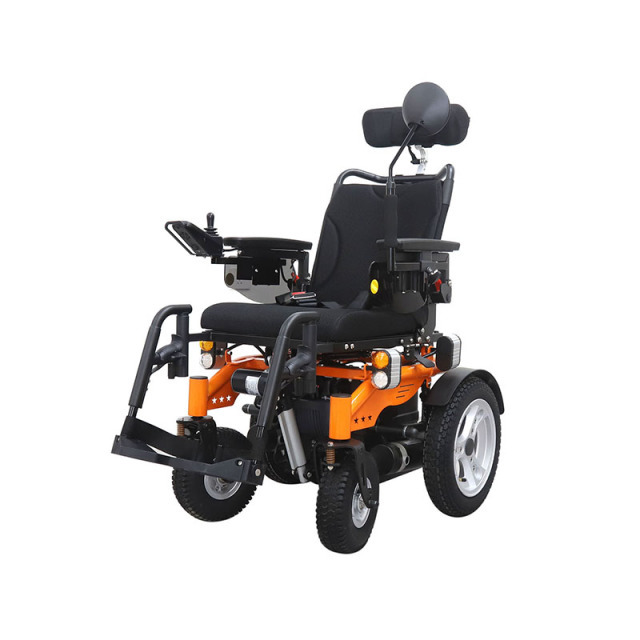
Transfer assistance represents another major physical demand. Caregivers often help users move between wheelchair, bed, toilet, shower seat, and car multiple times per day. These transfers require lifting and supporting body weight in awkward positions, the leading cause of caregiver back injury. Many electric wheelchairs offer power seat elevation, tilt, and recline functions that reduce the lifting force required during transfers. Seat-to-seat transfers become easier when the chair seat can be raised or lowered to match the target surface height exactly.
Powered leg rests and armrests also reduce caregiver effort. Instead of manually lifting and positioning the user’s legs, caregivers activate a control to adjust leg rests electronically. Swing-away armrests operated with one hand simplify side transfers, reducing the twisting and lifting motion that causes back strain.
Time Savings Throughout the Day
Caregiving is a time-intensive responsibility, and every minute saved reduces overall stress levels. Electric wheelchairs save time in dozens of small ways that accumulate significantly over a typical day.
Users who can move independently do not need to wait for a caregiver to be available to get a glass of water, use the bathroom, retrieve an item from another room, or answer the door. This eliminates constant interruptions for caregivers who work from home, perform housework, or care for other family members. The user gains spontaneity, and the caregiver gains uninterrupted blocks of time to complete tasks.
Outings and appointments also require less preparation time. With a manual chair, caregivers must fold and stow the chair, help the user into the vehicle, then reverse the process at the destination. With an electric wheelchair and appropriate vehicle lift or ramp, the process becomes faster and requires less physical handling. Many electric wheelchair users can also load themselves onto vehicle lifts independently.
Household tasks become more efficient when the user can participate rather than requiring constant assistance. Electric wheelchair users can prepare simple meals at the kitchen counter, do laundry, fold clothes, and perform other light household tasks from their chair, sharing the workload instead of relying entirely on the caregiver.
Emotional Benefits and Reduced Caregiver Burnout
Caregiver burnout is a serious condition caused by chronic stress, physical exhaustion, and the emotional weight of constant responsibility. Burnout manifests as irritability, anxiety, depression, fatigue, and declining health, and it ultimately reduces the quality of care the caregiver can provide.
Electric wheelchairs reduce burnout risk by restoring a more balanced care dynamic. When the user retains significant independence, the care relationship feels less one-sided. The caregiver transitions from full-time physical assistant to supporter and companion, which is emotionally healthier for both parties.
Users who operate electric wheelchairs often report higher self-esteem and lower rates of depression because they retain control over their daily lives. Happier users are easier to care for and require less emotional support. They are also more likely to engage in social activities, hobbies, and community involvement, all of which reduce caregiver isolation.
Caregivers also gain personal time they can use for exercise, socializing, rest, and their own hobbies. Having time for self-care is critical for preventing burnout, but it is often the first thing sacrificed when caregiving demands are high. Electric wheelchairs create breathing room in the daily schedule that makes self-care possible.
Improved Safety for Both User and Caregiver
Safety is a constant concern for caregivers, and electric wheelchairs reduce risk in multiple ways.
For users, electric chairs offer better stability than manual chairs in many situations. Powered braking systems provide reliable stopping on inclines, eliminating the risk of the chair rolling away when the caregiver is not holding it. Anti-tip wheels prevent backward tipping on ramps. Obstacle detection systems on newer models reduce collision risk when the user is navigating independently.
For caregivers, electric chairs eliminate the physical risks of pushing heavy loads up ramps, controlling descent on downhill slopes, and restraining the chair on uneven ground. Caregivers no longer need to put their own bodies at risk to prevent the chair from tipping or rolling away.
Fall risk during transfers also decreases with electric wheelchair features. Power seat adjustment allows precise positioning, reducing the distance the user must move during transfers. Stable chair bases do not shift or tip during transfer, unlike some lightweight manual chairs that can slide or tip if not properly braced.
Financial and Logistical Advantages
The cost of an electric wheelchair is offset by long-term savings in care expenses. Users who can operate independently may require fewer hours of paid in-home care. In some cases, electric wheelchairs delay or prevent the need for assisted living facility placement, which represents enormous financial savings.
Reduced caregiver injury also translates to lower healthcare costs. Caregiver back injuries, shoulder problems, and other musculoskeletal conditions generate medical bills, physical therapy costs, and lost work time. Preventing these injuries through reduced physical lifting and pushing protects the caregiver’s health and the household’s financial stability.
Electric wheelchairs also expand the range of activities the user can participate in without caregiver accompaniment. Many users can visit neighbors, run small errands, attend local events, and move around senior communities independently. This reduces the caregiver’s transportation burden and scheduling responsibilities.
How to Maximize Caregiver Benefits Through Proper Selection
Not all electric wheelchairs deliver the same level of caregiver benefit. Choosing the right features ensures maximum burden reduction.
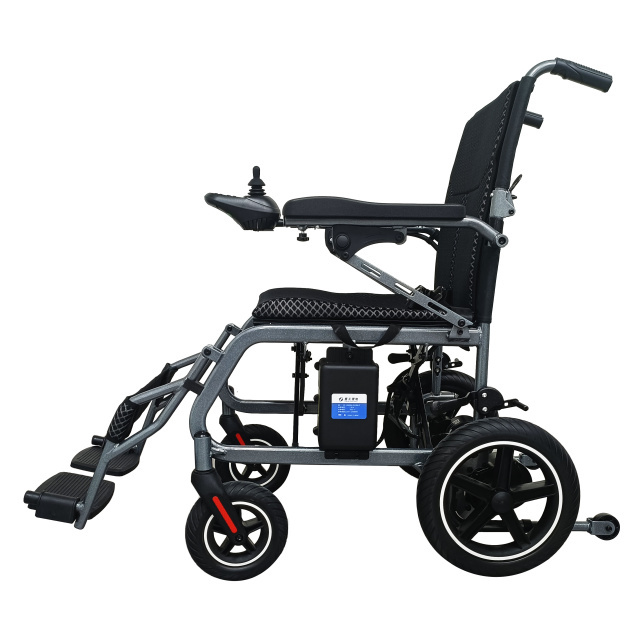
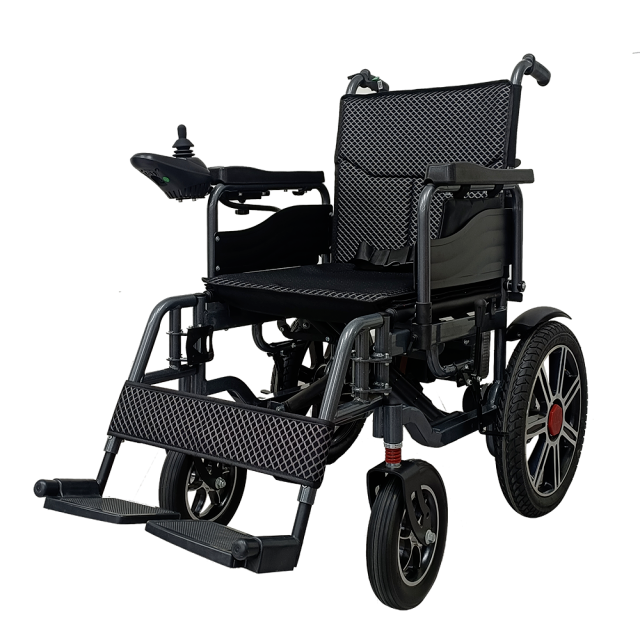
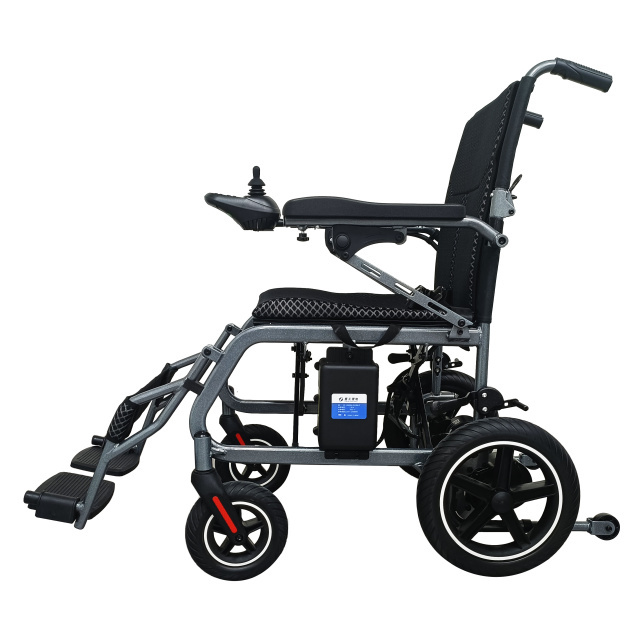
First, prioritize easy transportability if the user travels frequently. Lightweight folding electric wheelchairs lift into car trunks without heavy lifts, reducing caregiver physical effort during travel. Removable batteries and quick-detach components further reduce lift weight.
Second, select programmable controls that match the user’s ability level. If the user can operate the chair reliably without assistance, the caregiver gains the most benefit. For users with cognitive or physical limitations, choose chairs with caregiver control options, such as remote control operation that lets the caregiver navigate from a short distance away when needed.
Third, consider maintenance requirements. Chairs with simple, reliable design and local service support reduce the time caregivers spend troubleshooting problems and arranging repairs. Lithium-ion batteries with long lifespans minimize battery replacement hassle.
Fourth, look for chairs with integrated safety features such as automatic braking, anti-tip protection, and obstacle avoidance. These features give caregivers peace of mind when the user is operating independently, reducing constant worry and mental fatigue.
Supporting Caregiver Well-Being Beyond the Chair
While electric wheelchairs dramatically reduce physical and logistical burden, they work best as part of a broader care support strategy. Caregivers should still use proper lifting techniques even with power-assisted features, and consider additional transfer aids such as grab bars, transfer benches, and slide boards for high-risk transfers.
Respite care remains important for preventing burnout. Electric wheelchairs do not eliminate the need for breaks, but they do make respite easier because temporary caregivers have less physical work to perform. Many respite providers are more willing to accept clients who use electric wheelchairs because the physical demands are lower.
Caregiver support groups, occupational therapy consultations, and regular health checkups all complement the benefits of electric wheelchair adoption. The chair handles the physical heavy lifting, but emotional and social support systems address the remaining challenges of caregiving.
Electric wheelchairs are often discussed as mobility solutions for users, but their impact on caregivers is equally profound. By reducing physical strain, saving time, improving safety, lowering burnout risk, and restoring balance to care relationships, power wheelchairs improve quality of life for the entire care team. For families navigating long-term mobility challenges, investing in a quality electric wheelchair is an investment in caregiver health and sustainability as much as it is a mobility upgrade for the user.