Best Electric Wheelchairs for Outdoor Use on Rough Terrain and Unpaved Surfaces
Most standard electric wheelchairs are designed primarily for indoor use and smooth paved surfaces, but many users want the freedom to explore gravel paths, grassy parks, dirt trails, cobblestone streets, and uneven sidewalks. Outdoor-capable electric wheelchairs feature specialized construction that handles rough terrain while maintaining stability, comfort, and safety. Understanding the key design differences helps outdoor enthusiasts select a chair that matches their activity level and typical terrain.
Key Design Features for Rough Terrain Performance
Not all power wheelchairs handle uneven ground equally. Several core design elements determine off-pavement capability, and understanding them prevents the common mistake of buying an indoor chair and expecting outdoor performance.
First, wheel configuration matters enormously. Rear-wheel-drive chairs generally perform best on rough outdoor terrain because the drive wheels sit under the back of the seat, providing better traction on inclines and loose surfaces. Mid-wheel-drive designs offer excellent indoor maneuverability but can feel tippy on uneven ground and have more difficulty climbing obstacles. Front-wheel-drive chairs handle curbs and obstacles well but can feel less stable at higher speeds on rough surfaces.
Ground clearance is the distance between the lowest point of the chair frame and the ground. Chairs with only one or two inches of clearance bottom out easily on roots, rocks, and uneven pavement. Serious outdoor chairs offer three inches or more of ground clearance, with reinforced undercarriages that can withstand occasional impacts without damaging motors or wiring.
Suspension systems separate smooth-riding outdoor chairs from jarring ones. Basic indoor chairs have no suspension at all, transferring every bump directly to the user. Mid-range models may offer basic spring suspension on rear wheels. Premium outdoor chairs feature full independent suspension on all wheels, with adjustable shock absorbers that can be tuned for different terrain types. Suspension not only improves comfort but also maintains better wheel contact with the ground, improving traction and stability.
Tire selection plays a critical role. Solid foam tires are puncture-proof but provide minimal cushioning and poor traction on loose surfaces. Pneumatic (air-filled) tires absorb vibration much better and offer superior traction on dirt, grass, and gravel. All-terrain tread patterns with deeper grooves shed mud and debris better than smooth street treads. Some users opt for tire sealant inside pneumatic tires to reduce puncture risk while retaining the ride quality benefits of air-filled design.
Motor Power and Battery Considerations for Outdoor Use
Rough terrain and inclines demand substantially more motor power than flat indoor surfaces. Chairs with low-wattage motors struggle on hills, slow down on grass, and can overheat during extended outdoor use. For regular off-pavement travel, look for motors rated at 250 watts per side or higher, with peak output ratings of 500 watts or more. Dual-motor systems provide better traction and hill-climbing ability than single-motor designs.
Torque matters more than top speed for outdoor use. High-torque motors deliver the low-end power needed to climb curbs, push through thick grass, and ascend steep ramps without straining. Chairs optimized for outdoor use typically have lower top speeds but stronger climbing ability than indoor performance models.
Battery capacity must also scale with outdoor use. Rough terrain consumes battery power much faster than smooth pavement. Standard indoor chairs often have 10 to 15 amp-hour batteries that deliver 10 to 15 miles of range on flat ground. On rough terrain, that same battery might only deliver half the distance. For serious outdoor use, select batteries of 20 amp-hours or larger, and consider carrying a spare battery for all-day outings.
Lithium-ion batteries are preferable for outdoor use because they weigh less and maintain voltage better during high-drain conditions. Lead-acid batteries are cheaper but add significant weight and experience more voltage drop under heavy load, which translates to sluggish performance on hills.
Stability and Safety on Uneven Ground
Outdoor terrain introduces stability risks not present in controlled indoor environments. A chair that feels perfectly stable on a smooth floor can tip on side slopes, uneven curbs, or soft ground.
Wheelbase width is the primary stability factor. Wider wheelbases resist side tipping better than narrow designs. Look for an overall width of at least 24 inches for outdoor use, keeping in mind that wider chairs have more difficulty fitting through standard interior doorways. Some premium models offer adjustable wheelbase width, letting users widen the stance for outdoor stability and narrow it for indoor access.
Anti-tip wheels are essential for outdoor chairs. These small auxiliary wheels mounted behind the main rear wheels prevent backward tipping on steep inclines and when climbing curbs. Ensure anti-tip wheels are positioned low enough to engage before the chair reaches its tipping angle, and verify they are made of strong material that will not bend on impact.
Center of gravity design affects all-direction stability. Chairs with lower seat heights and heavier components positioned low in the frame handle uneven ground more predictably. Chairs with elevated seats and high-mounted batteries feel tippier on side slopes and uneven terrain. If you plan to use seat elevation features outdoors, lower the seat before traversing rough or sloped ground.
Traction control systems, available on higher-end models, automatically adjust power delivery to individual wheels to prevent slipping on wet grass, mud, or loose gravel. This works similarly to anti-lock brake systems in cars, improving control in variable outdoor conditions.
Comfort Features for Extended Outdoor Use
Long outdoor excursions amplify the importance of seating comfort. Vibration from rough terrain causes fatigue much faster than smooth pavement travel. Full suspension helps, but seating system design determines how much of that remaining vibration reaches the user.
Pressure-relief seat cushions with multiple layers of foam, gel, or air cells reduce vibration transmission and prevent pressure points from developing during long rides. Contoured backrests with lateral supports hold the user in position on uneven ground, reducing the muscle effort needed to stay upright. Adjustable headrests provide neck support during longer trips.
Powered tilt-in-space and recline functions are valuable for outdoor use because they let users shift weight and reposition without stopping and transferring. Tilt systems also improve stability on downhill slopes by shifting the user’s center of gravity backward. Leg rest elevation reduces swelling during extended outdoor sessions, which is especially important for users with circulatory conditions.
Weather protection features extend outdoor usability. Water-resistant controller housings and sealed motor compartments allow use in light rain. Canopy attachments provide sun and rain protection. Storage baskets and bags let users carry water, snacks, extra layers, and emergency supplies for all-day adventures.
Different Terrain Types and Recommended Chair Characteristics
Not all outdoor terrain is the same, and the best chair for suburban sidewalks differs from the best chair for backcountry trails. Match your chair selection to the surfaces you encounter most frequently.
For paved paths, park sidewalks, and occasional grass travel, a mid-range rear-wheel-drive chair with basic suspension and pneumatic tires usually suffices. Look for 1.5 to 2 inches of ground clearance and moderate battery capacity. These chairs typically work well indoors too, making them good all-around choices for users who split time between environments.
For gravel paths, dirt trails, and frequent grass travel, step up to a chair with full suspension, three inches or more of ground clearance, and all-terrain tread tires. Higher-torque motors and larger batteries handle the extra resistance of loose surfaces. These chairs are often wider and may be difficult to maneuver inside smaller homes, so consider your indoor space before purchasing.
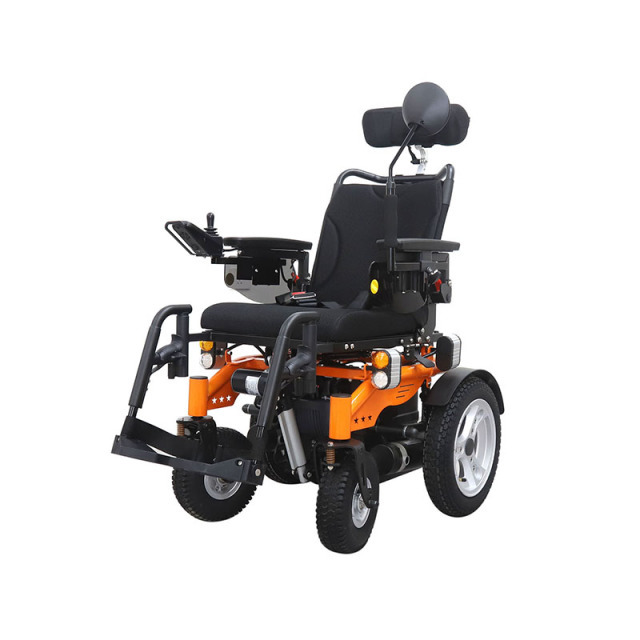
For serious off-road use including steep trails, rough terrain, and significant obstacles, heavy-duty power chairs with four-wheel drive, large diameter wheels, and high ground clearance are available. These specialized chairs handle extreme conditions but are often too large and heavy for indoor use and require accessible vehicles for transport.
Accessories That Improve Outdoor Capability
Several aftermarket accessories can transform a standard electric wheelchair into a more capable outdoor machine. All-terrain tire replacements upgrade traction without replacing the entire chair. Wheel fenders prevent mud and water from splashing onto the user and chair components. LED light kits improve visibility for evening outings.
Trailer hitch attachments allow pulling small cargo trailers for picnics, shopping, or camping gear. Phone mounts with USB charging ports keep navigation devices powered during long outings. Cup holders, umbrella holders, and oxygen tank mounts all add convenience for extended outdoor use.
Always verify that accessories are compatible with your specific chair model and do not void the manufacturer warranty. Adding weight high on the chair affects stability, so mount heavier accessories as low as possible on the frame.
Final Outdoor Selection Guidance
Start by honestly assessing your typical outdoor use. Most users do not need extreme off-road capability; a good all-terrain chair handles 90 percent of common outdoor environments. Test drive candidate chairs on actual grass, gravel, and sloped surfaces rather than only on showroom floors.
Consider transport requirements. Heavier outdoor chairs often weigh 150 pounds or more, requiring vehicle lifts or ramps for transport. Folding designs are less common in heavy-duty outdoor models, so plan accordingly.
Finally, confirm local service support. Outdoor chairs experience more wear and tear than indoor models, so access to timely repairs and replacement parts is essential. Choose a brand with established service networks in your area to minimize downtime when components eventually need replacement.
The right outdoor electric wheelchair unlocks access to parks, trails, family events, and everyday destinations that would otherwise be unreachable. By prioritizing traction, suspension, ground clearance, stability, and battery capacity, you select a mobility device that expands your world rather than limiting it.