Complete Guide to Electric Wheelchair Maintenance for Long-Term Durability and Reliability
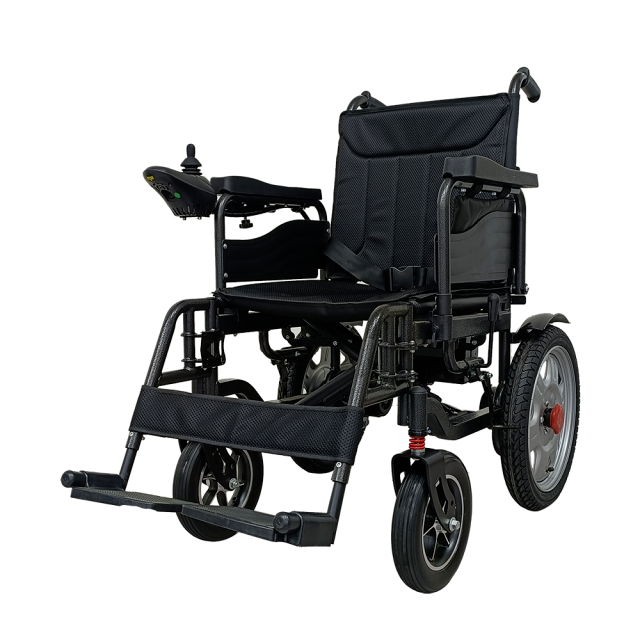
An electric wheelchair is a high-value mobility investment that can last for many years with proper care, or fail prematurely due to neglected maintenance. Unlike manual wheelchairs with relatively few moving parts, power wheelchairs contain motors, batteries, electronic controllers, wiring harnesses, and suspension systems that all require regular attention. Following a structured maintenance schedule prevents unexpected breakdowns, preserves warranty coverage, and ensures consistent performance that users can depend on for daily independence.
Daily Maintenance Checks (5 Minutes or Less)
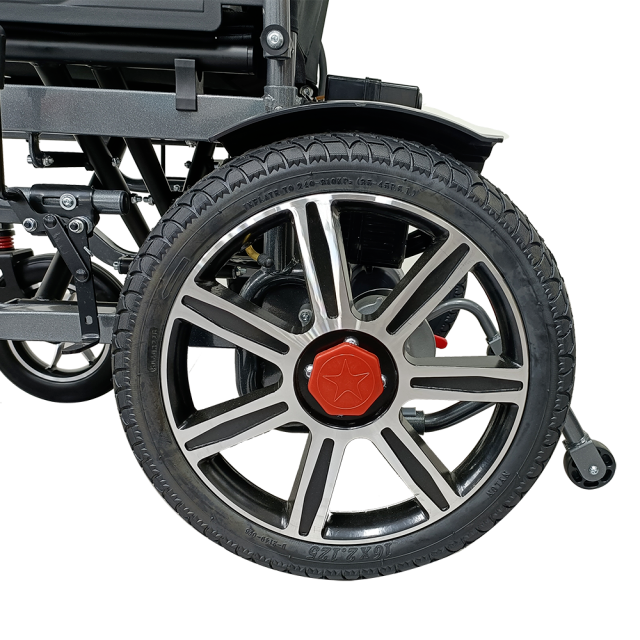
Quick daily inspections catch small issues before they escalate into expensive repairs. Start each day by visually inspecting the tires for proper inflation, cuts, embedded debris, or excessive wear. Underinflated tires strain the motors and reduce battery range, while damaged tires increase blowout risk during travel. For solid foam tires, check for flat spots or cracking that would indicate the need for replacement.
Next, test the basic controls and responsiveness. Move the joystick in all directions and confirm that the chair responds smoothly without hesitation or jerking. Test the horn, lights, and turn signals if equipped. Listen for unusual grinding, clicking, or whirring sounds during movement that could signal motor or gearbox problems. Verify that the brakes engage immediately when you release the joystick, and that the chair does not roll on slight inclines.
Wipe down the joystick, armrests, and seat surfaces with a mild disinfectant cleaner at the end of each day. Sweat, food residue, and dust build up quickly on control interfaces and can cause button sticking or joystick drift. Avoid spraying liquid directly onto controls; instead, spray onto a cloth first to prevent moisture from seeping into electronic components.
Finally, check that the battery is charging properly at the end of each day. Confirm the charger indicator lights show normal charging status, and ensure the charging port is free of lint and debris. Never go to sleep with a charger that shows error codes, because unresolved charging issues can leave the user stranded the next morning.
Weekly Maintenance Tasks
Every week, perform a more thorough inspection of mechanical and electrical components. Start by cleaning the wheels and undercarriage. Dirt, hair, carpet fibers, and outdoor debris wrap around axles and wheel bearings over time, creating friction that damages motors and reduces efficiency. Use a soft brush and a damp cloth to remove buildup from wheel wells, and carefully cut away any tangled fibers with scissors.
Inspect all wiring connections for signs of fraying, corrosion, or loose plugs. Pay special attention to areas where wiring bends frequently, such as near the joystick arm and seat pivot points. Damaged wiring can cause intermittent power loss that is difficult to diagnose later. If you notice exposed copper or cracked insulation, contact a certified technician immediately rather than attempting DIY electrical repairs.
Check battery terminals for corrosion buildup. A white or greenish powder around terminal connections indicates corrosion that increases electrical resistance and reduces charging efficiency. Disconnect batteries following manufacturer instructions, and clean terminals with a small wire brush and a solution of baking soda and water. Apply a thin layer of dielectric grease after cleaning to prevent future corrosion.
Lubricate moving parts such as pivot points, hinge mechanisms, and adjustment levers according to the product manual. Use only the lubricant type specified by the manufacturer, because improper lubricants can attract dust or degrade plastic components. Never lubricate brake assemblies, because lubrication on braking surfaces causes dangerous loss of stopping power.
Monthly Deep Maintenance Procedures
Once per month, perform a comprehensive performance and safety evaluation. Test battery range by driving the chair on a full charge through a known route, and compare the distance achieved to the original manufacturer specification. Noticeable range reduction often signals aging batteries or a developing motor issue. Document the results so you can track gradual decline over time.
Inspect the seat, backrest, and cushion for signs of wear. Check stitching for fraying, foam for compression or breakdown, and structural components for cracks. Damaged seating not only reduces comfort but also creates pressure points that can lead to skin breakdown. Replace cushions every 12 to 24 months depending on use, or immediately if you notice permanent deformation.
Examine the frame for structural damage, particularly around weld points and high-stress areas such as footrest mounts and armrest brackets. Even small cracks can propagate under load and lead to catastrophic failure. Check that all bolts and fasteners are tight, including those holding motors, wheels, and seating components in place. Loose hardware causes rattling, uneven weight distribution, and accelerated wear.
Calibrate the controller if you notice drift, delayed response, or uneven speed between left and right motors. Most modern electric wheelchairs include a basic calibration routine accessible through the controller menu. Follow the manufacturer’s procedure exactly, because incorrect calibration can cause erratic movement and safety hazards. If calibration does not resolve performance issues, schedule professional service.
Seasonal and Annual Maintenance
Seasonal changes bring different maintenance requirements. Before winter, inspect and protect outdoor-rated components from cold and moisture. Apply water-repellent treatment to electronic port covers, and ensure rubber seals around controller housings are intact. Cold temperatures reduce battery capacity significantly, so plan for shorter range in winter months and store the chair in a temperature-controlled space whenever possible.
Before summer, clean ventilation grilles on motor housings and controller boxes to prevent overheating. Dust buildup in cooling fins reduces heat dissipation and can cause thermal shutdown during hot weather. Inspect tires more frequently in summer, because hot pavement accelerates rubber wear and increases the chance of blowouts.
Annual professional servicing is essential for long-term durability. A certified technician can perform diagnostic tests on motor function, battery health, and controller software that are impossible to do at home. They can also update firmware, replace worn bearings, inspect gearbox lubrication, and identify developing issues before they cause failure. Keep all service records, because they support warranty claims and improve resale value.
Battery Care for Maximum Lifespan
Batteries represent the single largest replacement cost in electric wheelchair ownership, so proper battery maintenance directly reduces long-term expense. For lithium-ion batteries, the most common type in modern chairs, avoid fully discharging the battery whenever possible. Recharging when the battery reaches 20 to 30 percent capacity significantly extends total cycle life.
Never leave a discharged battery in storage for extended periods, because deep discharge causes permanent capacity loss. If storing the chair for more than two weeks, charge the battery to approximately 50 percent first, and recharge to 50 percent every 30 days during storage. Store batteries in a cool, dry location away from direct sunlight and extreme temperatures.
For lead-acid batteries, maintain proper water levels in flooded cells using only distilled water. Check water levels every two to three months, and never let plates dry out. Keep the battery tops clean and dry to prevent parasitic discharge across the casing. Avoid rapid charging with incompatible chargers, because high charging current generates heat and shortens battery life.
Common Maintenance Mistakes to Avoid
Many well-intentioned owners inadvertently damage their chairs through incorrect maintenance practices. Using a pressure washer to clean the undercarriage forces water into motor bearings and electronic housings, causing corrosion and electrical failure. Always use hand-cleaning methods with damp cloths instead.
Over-tightening bolts and fasteners strips threads and cracks mounting brackets. Use a torque wrench set to manufacturer specifications whenever possible. Similarly, using aftermarket tires or parts not approved by the manufacturer can void warranties and create unsafe operating conditions.
Ignoring small unusual sounds is another common mistake. Squealing, grinding, or clicking noises almost always indicate a developing problem. Addressing them early usually costs much less than waiting for complete failure. When in doubt, contact an authorized service center rather than continuing to operate the chair.
Creating a Maintenance Schedule
The most effective way to stay on track with maintenance is to create a written schedule with checklists for daily, weekly, monthly, and annual tasks. Set calendar reminders on a phone or computer so nothing gets overlooked. Keep all receipts and service records in one folder, along with the original manual and warranty documentation.
For users with limited physical ability, family members or caregivers can share maintenance responsibilities. Assign simple daily checks to the user if they are able, and schedule caregiver assistance for more physically demanding tasks such as tire inspection and undercarriage cleaning. Many mobility equipment providers also offer prepaid maintenance plans that include scheduled service visits, which can be a cost-effective option for users without local family support.
Proper electric wheelchair maintenance is not just about preventing breakdowns—it is about preserving the reliability that users depend on for work, social connection, medical appointments, and everyday independence. A consistent maintenance routine extends equipment life, reduces total cost of ownership, and most importantly, delivers the peace of mind that comes from knowing your mobility device will work when you need it most.