How to Choose the Right Electric Wheelchair for Elderly Users with Limited Upper Body Strength
Selecting an electric wheelchair for an older adult with reduced upper body strength is one of the most consequential mobility decisions a family can make. Unlike manual wheelchairs that rely on arm strength to propel, electric models deliver motorized movement, but not all designs work equally well for users with weak grip, limited shoulder mobility, arthritis, or neurological conditions that affect hand control. This guide walks through every critical factor to evaluate, so you can select a chair that preserves independence, reduces caregiver burden, and minimizes physical strain.
Why Upper Body Strength Matters in Electric Wheelchair Selection
Many people assume all power wheelchairs operate the same way, but control interfaces, chair weight, transfer requirements, and accessory placement all demand different levels of physical ability. For elderly users with conditions such as rheumatoid arthritis, stroke recovery, Parkinson’s disease, or general age-related muscle loss, even small physical demands can accumulate over the course of a day and lead to fatigue, pain, or abandonment of the device entirely.
The joystick is the most common control method, but standard joysticks require steady hand positioning and continuous grip. Users with tremors or weak fingers may find standard controls difficult to operate accurately. Alternative input methods exist, but they are not always included as standard features. Understanding available control options is the first step in matching a chair to a user’s physical capabilities.
Beyond controls, entry and exit from the chair present another upper-body demand. Users often push on armrests or seat cushions to support themselves during transfers. Heavier chairs with fixed armrests or high seat heights increase the effort required, raising fall risk for those with limited strength. Similarly, adjusting seat position, recline, or leg rests manually can be impossible for users with weak arms, making powered adjustment features a necessity rather than a luxury.
Control Interface Options for Reduced Strength Users
Joystick technology has evolved significantly to accommodate varying ability levels. Light-touch joysticks require only a few ounces of pressure to activate, making them suitable for users with minimal hand strength. Many models also offer adjustable sensitivity, so the chair can be programmed to respond to very small movements or to dampen tremors for steadier navigation.
For users who cannot hold a standard joystick due to severe weakness or deformity, several alternative controls are available. Chin controls allow operation through gentle chin movement, leaving the hands completely free. Head array systems use sensors positioned around the headrest to detect head tilts in four directions, enabling full directional control with minimal neck effort. Sip-and-puff systems, operated by inhaling and exhaling through a mouth tube, serve users with extremely limited upper body and neck function.
Touchscreen controls represent another growing category. Large, high-contrast screens with adjustable touch sensitivity let users tap or swipe to navigate pre-programmed routes or adjust settings. Voice control integration, available on premium models, allows users to change speed, activate lights, or adjust seating position through spoken commands, reducing physical interaction to almost zero.
Seating and Transfer Considerations
Easy transfer is critical for elderly users with limited upper body strength. Swing-away or removable armrests are non-negotiable features for side transfers. Flip-up footplates and adjustable seat height further simplify transfers by aligning the chair seat with bed, toilet, or car seat surfaces. Some models offer power seat elevation that raises or lowers the seat at the push of a button, eliminating the need to lift or lower the body manually during transfers.
Seat depth and width also affect effort levels. An improperly sized seat forces users to reposition themselves frequently, wasting energy and causing skin irritation. Pressure-relief cushions distributed over memory foam or gel bases reduce the need for constant weight shifting, which is especially valuable for users who cannot reposition themselves easily. Powered tilt-in-space and recline functions let users change posture with a control input rather than physical effort, improving circulation and reducing pressure sore risk without caregiver assistance.
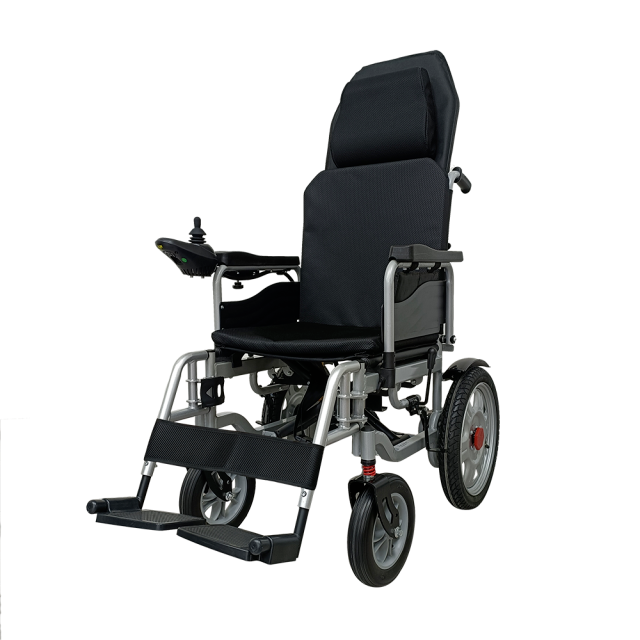
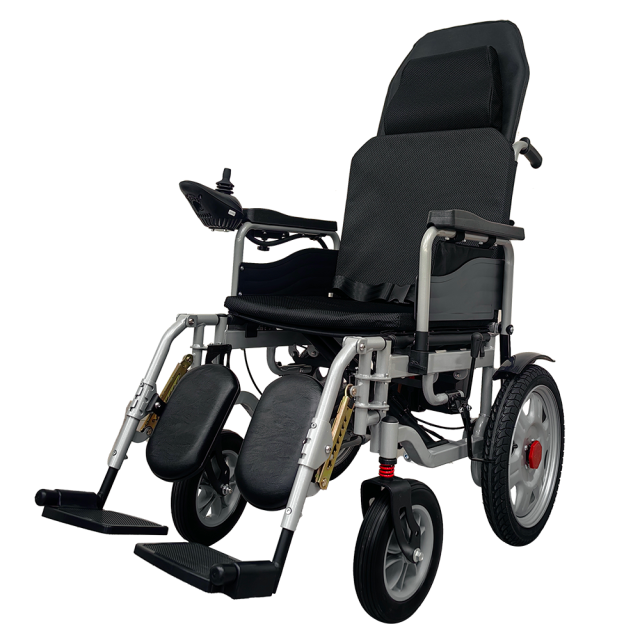
Backrest support plays an underappreciated role in conserving upper body energy. High-back designs with lateral supports hold the torso in proper alignment, preventing slumping that would otherwise require arm strength to correct. Adjustable headrests provide additional neck support, which is important for users who fatigue quickly when holding their head upright for extended periods.
Maneuverability and Environmental Fit
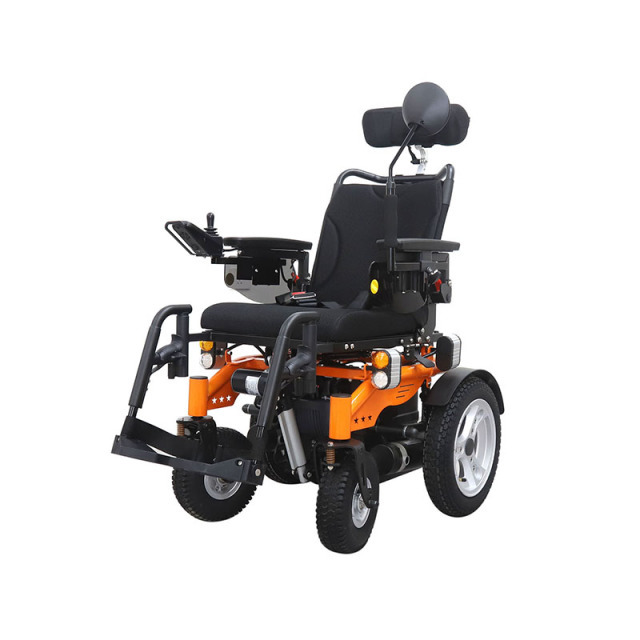
A chair that is difficult to maneuver in the home environment forces the user to exert extra effort correcting direction and navigating tight spaces. Indoor electric wheelchairs with a short turning radius reduce the number of forward-and-back adjustments needed to navigate hallways, bathrooms, and kitchens. Mid-wheel-drive designs typically offer the tightest turning circles, making them ideal for home use where furniture and narrow doorways present constant obstacles.
Wheel size and suspension also influence how much effort the user expends. Larger drive wheels handle uneven flooring, thresholds, and small bumps more smoothly, reducing jolts that force the user to stabilize themselves with their arms. Full suspension systems absorb vibration from outdoor surfaces, decreasing overall body fatigue during longer outings. While these features add to the cost, they directly reduce physical strain on the user’s upper body over time.
Battery and Weight Considerations
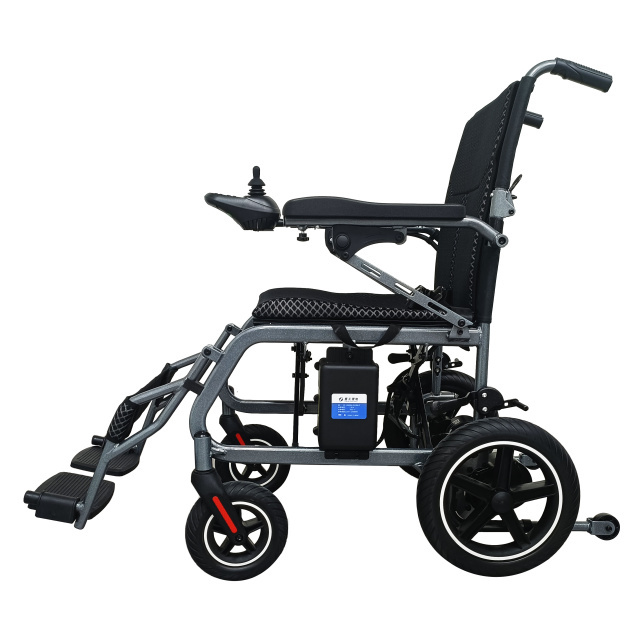
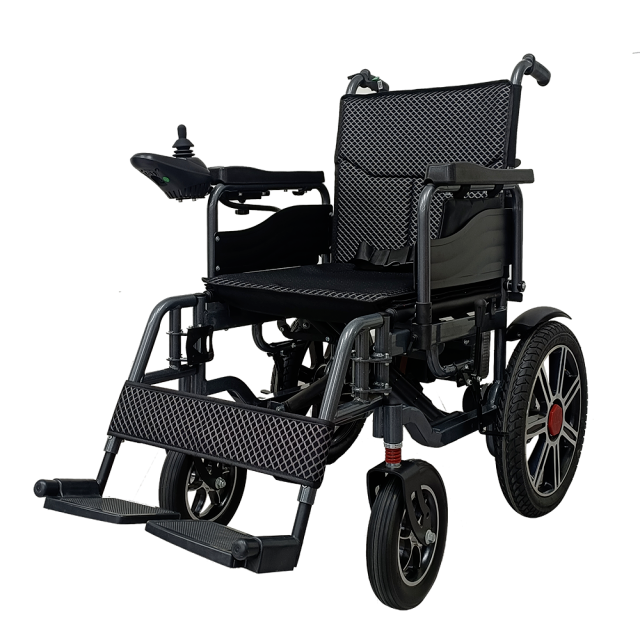
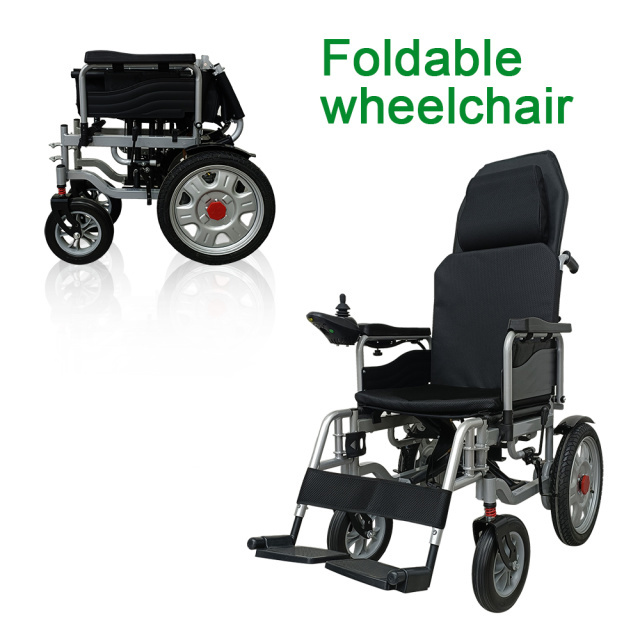
Heavier chairs require more structural effort to enter and exit, and they are more difficult for caregivers to push in the event of battery failure. Lightweight folding electric wheelchairs made from aluminum or carbon fiber frames weigh as little as 40 pounds without batteries, making transfers easier and reducing physical stress during transport. However, ultra-lightweight models often have smaller battery capacities, so you must balance weight savings against required travel range.
Battery type also matters. Lithium-ion batteries are lighter than lead-acid alternatives and easier to remove for charging or transport. Removable batteries allow the user or caregiver to charge the battery separately from the chair, eliminating the need to maneuver the entire chair near an electrical outlet. For users with very limited strength, having a caregiver handle battery removal is usually preferable, but removable designs still offer more flexibility for households with multiple caregivers.
Safety Features That Reduce Physical Demand
Several safety features indirectly reduce upper body strain by eliminating the need for reactive physical effort. Anti-tip wheels prevent backward tipping on inclines, so the user does not need to brace themselves with their arms when climbing ramps. Automatic braking systems engage when the joystick is released, removing the need for hand braking strength. Speed reduction on turns stabilizes the chair, preventing lateral forces that would require the user to hold on tightly to maintain position.
Fall prevention technology in newer models uses sensors to detect obstacles and slow or stop the chair automatically. This reduces sudden jolts and corrective movements that can strain shoulders and wrists. Similarly, hill-hold features prevent the chair from rolling backward on slopes, so the user does not need to maintain constant forward pressure on the controls to remain stationary.
Final Selection Framework
Start by documenting the user’s specific physical limitations through consultation with an occupational therapist. Therapists can perform strength assessments and recommend control types, seat dimensions, and transfer aids tailored to individual ability levels. Always arrange a home assessment and trial period before purchasing, because real-world use reveals practical challenges that showroom demonstrations do not.
Prioritize chairs with upgradeable control systems, because upper body strength often declines over time. A chair that accepts different control modules can adapt as needs change, extending the useful life of the investment. Finally, verify that local service providers can perform maintenance and repairs locally, because shipping a heavy chair for service creates additional physical and logistical burden for everyone involved.
Choosing the right electric wheelchair for an elderly user with limited upper body strength is ultimately about preserving dignity through independence. By focusing on low-effort controls, easy transfers, fatigue-reducing design, and adaptive features, you select not just a mobility device, but a tool that maintains quality of life long after physical strength diminishes.