The Social Responsibilities of Electric Wheelchair Manufacturers
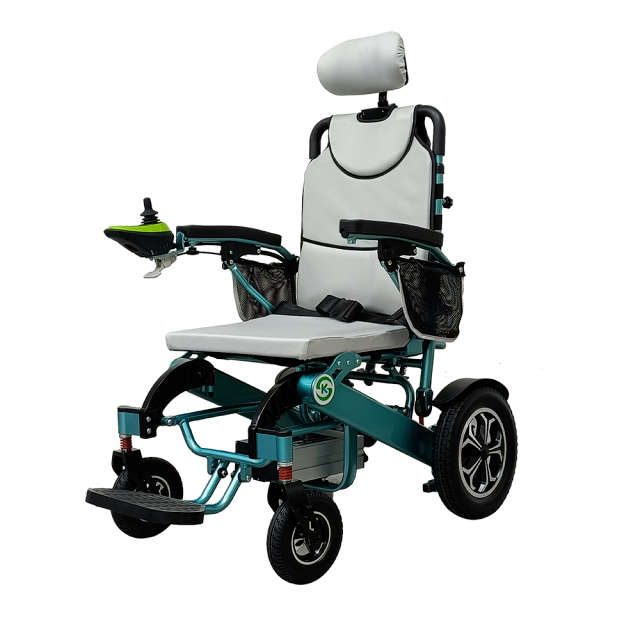
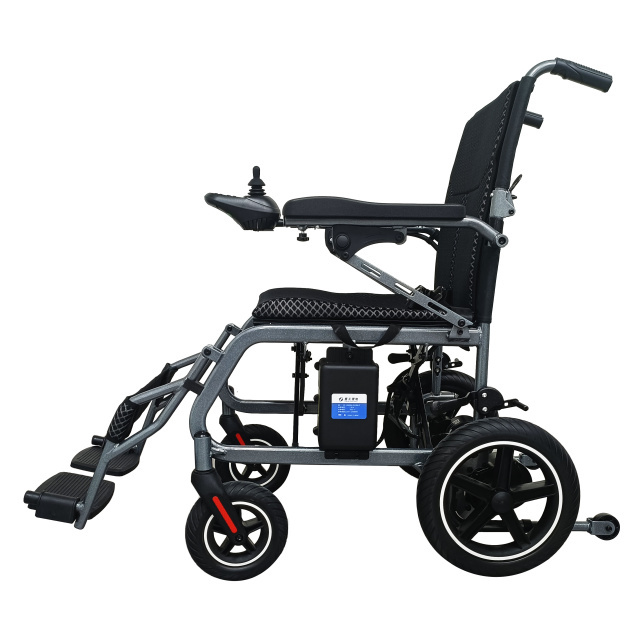
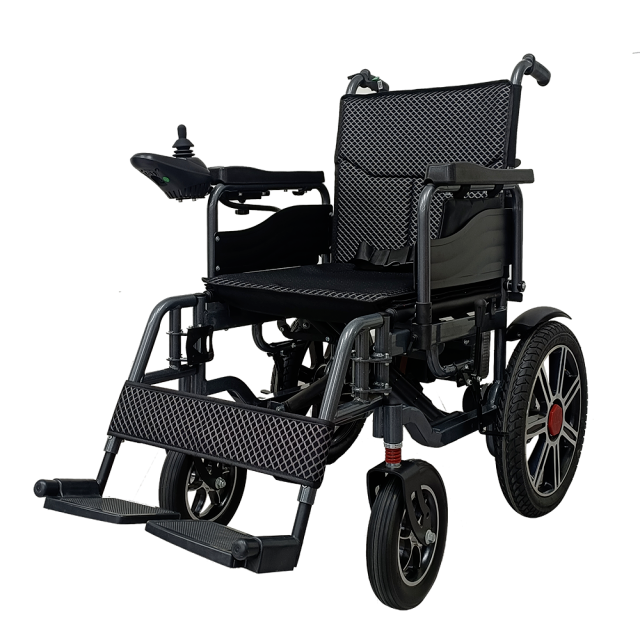
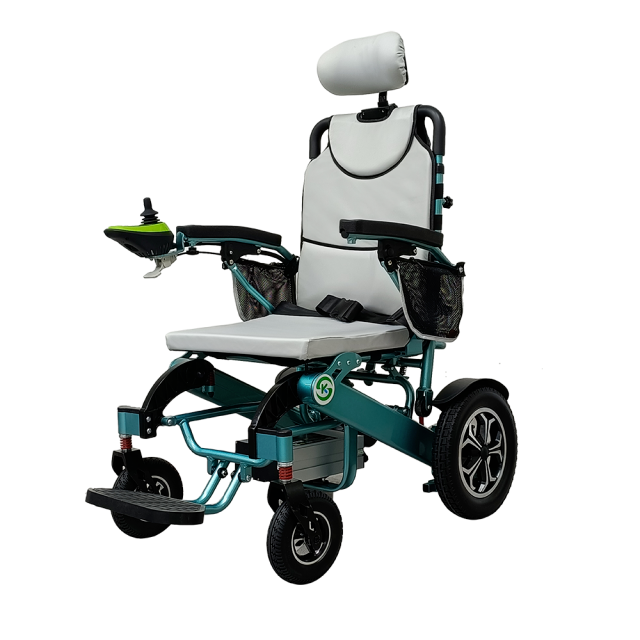
Electric wheelchair manufacturers are more than just commercial entities; they are key enablers of independence, dignity, and inclusion for people with limited mobility. Their products serve as a vital bridge between individuals with disabilities and full participation in society, which means their social responsibilities extend far beyond profit-making. These responsibilities encompass multiple dimensions, from ensuring product safety to promoting equity, protecting the environment, and upholding ethical standards across the entire value chain.
First and foremost, product quality and safety are the foundational responsibilities of electric wheelchair manufacturers. Electric wheelchairs are not ordinary consumer goods—they are medical-related devices that directly impact users’ safety, health, and quality of life. Manufacturers must strictly comply with international and national standards to ensure their products are free from safety hazards, with robust structures, reliable motors, and stable braking systems to prevent accidents such as tipping or malfunctions that could cause injury. They also bear the responsibility of timely product recall if defects are found, along with comprehensive after-sales services, including maintenance, repair, and clear user guides to ensure users can operate the equipment safely and effectively. Additionally, manufacturers should prioritize product reliability, introducing metrics like “uptime” to measure the operational availability of wheelchairs, which directly supports users’ independence and mobility.
Second, manufacturers have a responsibility topromote inclusivity and accessibility through user-centric design and equitable access. This means moving beyond one-size-fits-all products to develop customizable solutions that cater to diverse user needs—such as heavy-duty models for overweight individuals, widened seats for enhanced comfort, and modular designs that can be adjusted to specific physical requirements. They should also strive to make electric wheelchairs affordable and accessible to vulnerable groups, including low-income individuals and those in remote communities, by optimizing production costs, collaborating with social welfare organizations, or participating in charitable initiatives like donating wheelchairs to regions in need. Furthermore, manufacturers should advocate for accessible infrastructure, aligning their products with public facilities to ensure users can move freely in public spaces, workplaces, and communities.
Third, environmental sustainability is an increasingly critical responsibility for electric wheelchair manufacturers in the global drive toward a greener future. Manufacturers should adopt eco-friendly practices throughout the product lifecycle: using recyclable, renewable, or compostable materials to reduce environmental impact, designing modular and durable products to extend service life and improve reusability, and optimizing packaging to minimize waste. They should also focus on reducing carbon emissions in production, such as adopting geothermal energy systems or solar panels in manufacturing facilities, and establishing proper recycling channels for old wheelchairs and batteries to prevent environmental pollution. These efforts not only reduce the industry’s ecological footprint but also align with global sustainability goals and user expectations for environmentally responsible products.
Fourth, manufacturers must uphold ethical standards across the supply chain and treat all stakeholders with respect. This includes ensuring fair labor practices, prohibiting child labor, forced labor, and any form of discrimination in their own facilities and among suppliers. They should establish and enforce a supplier code of conduct, conducting regular audits to ensure suppliers comply with ethical, labor, and environmental standards, covering a high percentage of supplier expenditure to maintain accountability. Additionally, manufacturers should create a safe, inclusive, and respectful workplace for their employees, with zero tolerance for workplace accidents, investments in ergonomic improvements, and initiatives to promote diversity and inclusion—such as striving for gender balance and ensuring workplace accessibility for employees with disabilities.
Finally, electric wheelchair manufacturers have a responsibility to advance innovation and education to better serve the community. They should invest in research and development to improve product performance, such as enhancing battery life, developing smart safety systems (e.g., AI-powered overload alerts and remote diagnostics), and integrating digital features to improve user experience. They also need to educate the public, employees, and distributors about mobility rights, accessibility issues, and proper use of electric wheelchairs, helping to reduce social stigma and promote a more inclusive society. Moreover, manufacturers should collaborate with healthcare professionals, disability organizations, and users to gain insights into unmet needs, ensuring their products truly address the challenges faced by people with limited mobility.
In conclusion, the social responsibilities of electric wheelchair manufacturers are deeply rooted in their mission to empower people with limited mobility. By prioritizing product safety, promoting inclusivity, embracing sustainability, upholding ethical standards, and driving innovation, they not only fulfill their moral and legal obligations but also contribute to building a more equitable, accessible, and sustainable society. In essence, their work is not just about manufacturing wheelchairs—it is about manufacturing freedom, dignity, and equal opportunities for all.