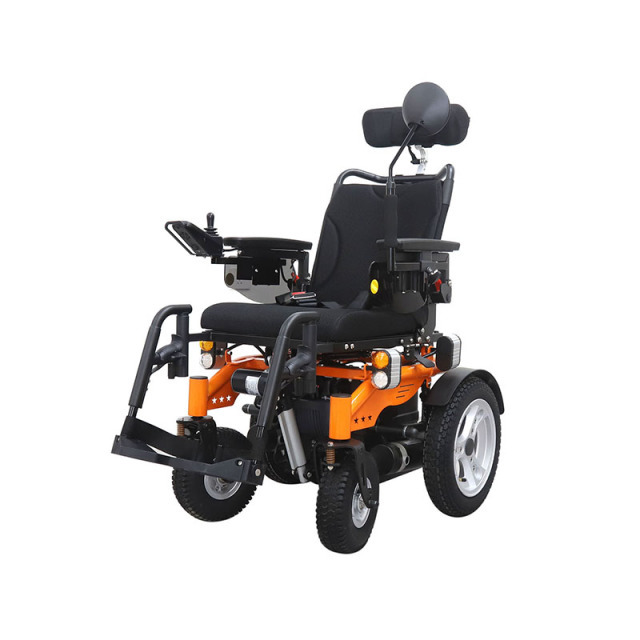
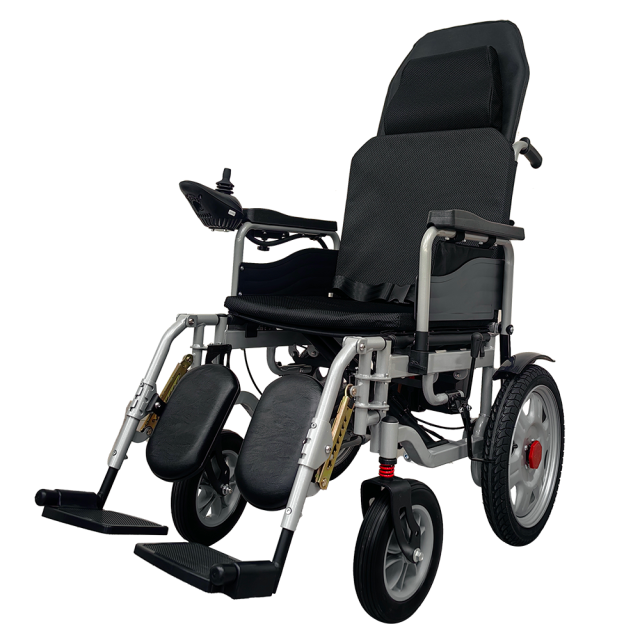
Electric Wheelchair Maintenance: Complete Care and Troubleshooting Guide Introduction
An electric wheelchair is a significant investment that users depend on daily for mobility and independence. With proper regular maintenance, a quality electric wheelchair can last 5–10 years or more, providing reliable service while minimizing repair costs. Neglecting maintenance, on the other hand, leads to premature wear, unexpected breakdowns, and potential safety hazards. This comprehensive guide covers routine maintenance schedules, step-by-step care procedures, common troubleshooting, and tips to extend the lifespan of your electric wheelchair.
1. Daily Maintenance Checks (5 Minutes)
Performing these quick checks every day before use prevents most safety issues and catches small problems early:
- Battery level: Confirm the battery is sufficiently charged for planned travel.
- Brakes: Test the electromagnetic brakes by releasing the joystick at slow speed. The chair should stop immediately and smoothly.
- Tires: Visually inspect for cuts, embedded objects, and wear. For pneumatic tires, check that pressure feels firm.
- Joystick and controller: Ensure the joystick moves freely and returns to center properly. Check that cables are not frayed or pinched.
- Seat and restraints: Verify seat belt fastens securely. Check cushion and backrest for damage.
- General condition: Look for loose bolts, unusual noises, or damage to the frame, footrests, and armrests.
2. Weekly Maintenance Tasks (30 Minutes)
Deeper weekly care keeps components in good working order:
- Clean the chair: Wipe down the frame, seat, and armrests with a soft damp cloth and mild detergent. Avoid harsh chemicals that can damage plastic and paint. Do not spray water directly on electrical components.
- Check tire pressure: For pneumatic tires, inflate to the pressure marked on the tire sidewall. Under-inflated tires reduce range, increase motor strain, and cause premature wear. Over-inflation leads to a bumpy ride and increased puncture risk.
- Inspect battery terminals: Ensure connections are clean and tight. Corroded terminals cause power loss and charging problems. Clean with a dry cloth if needed; never use liquid cleaners near batteries.
- Test lights and horn: Verify headlights, taillights, turn signals, and horn all function correctly.
- Check wheel alignment: Push the chair manually on a flat surface. It should roll straight without pulling to one side.
3. Monthly Maintenance Procedures (1 Hour)
Monthly inspections address wear items and prevent major failures:
- Tighten all bolts and screws: Vibration from regular use can loosen hardware. Check frame joints, armrest mounts, footrest brackets, and wheel axles. Do not over-tighten, as this can strip threads.
- Lubricate moving parts: Apply a small amount of silicone lubricant to folding hinges, footrest pivot points, and adjustment levers. Never use oil-based lubricants on electrical components or brake mechanisms.
- Inspect motor brushes: For brushed motors, check brush wear and replace if worn down. Most modern electric wheelchairs use brushless motors which do not require this step.
- Battery health check: Fully charge the batteries and note the range achieved. Significantly reduced range indicates batteries nearing end of life.
- Inspect suspension: Check shock absorbers and springs for damage, rust, or fluid leakage.
4. Annual Professional Servicing
Even with excellent home maintenance, annual professional service is recommended:
- Full diagnostic check of controller, motors, and wiring
- Battery capacity testing
- Brake adjustment and wear inspection
- Wheel bearing replacement if needed
- Firmware updates for electronic systems
- Structural inspection of frame and welds
Keep all service records for warranty purposes and resale value.
5. Battery Care and Lifespan Extension
Batteries are the most expensive consumable part of an electric wheelchair. Follow these rules to maximize battery life:
- Charge properly: Charge after each use, even if only partially discharged. Do not leave batteries discharged for long periods.
- Avoid deep discharge: Do not run the battery completely flat. Recharge when the gauge drops to 20–30%.
- Store correctly: If storing for more than two weeks, charge to 50–70% and store in a cool, dry place. Top up charge every month.
- Temperature protection: Do not charge batteries in temperatures below 0°C or above 40°C. Extreme heat and cold shorten battery life dramatically.
- Use the correct charger: Always use the manufacturer-supplied charger. Third-party chargers may have incorrect voltage and damage batteries.
6. Common Troubleshooting Solutions
- Chair will not move: Check that the controller is turned on and the battery is charged. Ensure the freewheel lever is in the drive position. Check for loose battery connections.
- Short battery range: Under-inflated tires, heavy loads, hilly terrain, and cold weather all reduce range. If range drops suddenly, batteries likely need replacement.
- Chair pulls to one side: Uneven tire pressure, misaligned wheels, or motor imbalance. Check tire pressure first; if problem persists, consult a technician.
- Strange noises from wheels: Debris caught in tires, worn bearings, or loose hardware. Inspect and clean wheels; if noise continues, schedule service.
- Joystick unresponsive: Check cable connections. Clean the joystick base of dust and debris. If still not working, the controller may need repair or replacement.
7. Storage and Seasonal Care
- Store indoors in a clean, dry location away from direct sunlight and temperature extremes
- If storing outdoors temporarily, use a waterproof cover designed for electric wheelchairs
- Remove batteries for long-term storage and keep them in a climate-controlled area
- Inflate tires to recommended pressure before storage to prevent flat spots
Conclusion
Regular, systematic maintenance is the best way to protect your electric wheelchair investment and ensure safe, reliable mobility. By following a daily-weekly-monthly maintenance routine, practicing proper battery care, and scheduling annual professional service, users can significantly extend their wheelchair’s lifespan and avoid costly unexpected repairs. When issues do arise, basic troubleshooting can often resolve simple problems quickly, while knowing when to call a professional prevents further damage.